Shenzhen Showin Stage Lighting Co., Ltd

Stage Special‑Effect Equipment Component‑Level Buying Guide For Smoke Jet‑Smoke Flame & Electronic Spark Machines
stage special‑effect equipment component‑level buying guide smoke jet‑smoke flame electronic spark machine internal‑part procurement reference for stage rental project

The stage special‑effect equipment component‑level buying guide breaks down internal hardware differences among smoke machines, vertical jet‑smoke machines, flame projectors and electronic spark machines for B2B stage buyers. On the global stage‑equipment market, units with nearly identical outward appearance and marked wattage rating can carry price gaps ranging from 30 % up to 100 %. Many procurement teams only compare shell finish and nominal power parameters while ignoring critical internal assemblies. Consequences include unstable output, frequent in‑show breakdowns, expensive repair fees and client compensation claims, especially harmful for high‑turnover touring rental fleets. Real performance, service life and operational safety are determined by hidden inner parts rather than exterior casing. This guide sorts component‑grade distinctions, hidden manufacturing overhead and practical procurement suggestions to help integrators and rental operators steer clear of deceptive low‑price traps. For additional stage production‑system reference, check our outdoor‑festival‑live‑show‑stage‑lighting‑special‑effect‑production‑solution.
Core Component Analysis of stage special‑effect equipment component‑level buying guide
Different categories of effect machines adopt distinct key assemblies. Even visually similar products use widely‑differentiated internal parts, which directly decide long‑term field performance.
Smoke Machine & Vertical Jet‑Smoke Machine Key Parts
Both standard smoke generators and vertical jet‑smoke machines work on fluid vaporization principle. Jet‑smoke variants add high‑pressure air chamber for upward column‑shaped spray effect. Major differentiating components are listed below: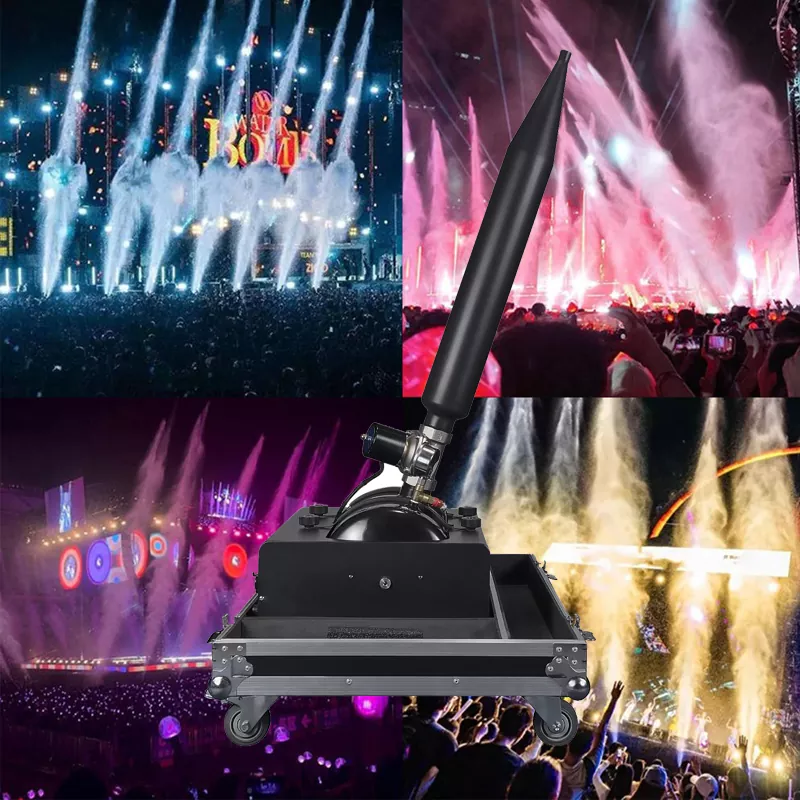
- Fluid Pump (Core heart assembly):
- Budget grade: Ordinary domestic diaphragm pump, poor chemical‑resistance. Rubber diaphragm swells and cracks after short‑time working; unstable pressure causes intermittent smoke or degraded jet height. Typical service life only 50‑120 running hours, widely used in low‑cost machines with exaggerated wattage marking.
- Mid‑tier grade: NBR oil‑resistant diaphragm pump with pure‑copper motor winding. Stable pressure output, 500‑800‑hour usable lifespan, fits most medium‑size rental inventory.
- Premium export grade: Imported brand corrosion‑treated pump. Maintains constant pressure under voltage fluctuation, sustains more than 1000 continuous working hours, no sticking after long idle storage, preferred for large‑scale touring rental projects.
Common trap: High‑wattage heating block cannot compensate insufficient pump flow; cheap pumps will cripple actual smoke‑jet performance regardless of label power value.
- Heating / Vaporization Block:
- Budget: Recycled impurity‑containing aluminum die‑casting. Uneven heating leads to carbon deposit clogging, acrid odour and gradual output decay. Low‑efficiency iron‑chromium heating tube ages quickly.
- Mid‑tier: Virgin monoblock aluminum casting with optimized inner flow channel. Nickel‑chromium heating tube resists repeated hot‑cold cycling, reduces carbon accumulation under regular rental‑cycle operation.
- Premium export grade: Thick‑wall virgin aluminum block with optional Teflon anti‑carbon coating, minimizes residue adhesion and blockage risk, lowers after‑sales return rate for overseas markets.
- Temperature‑Control & Sensor Assembly:
- Budget: Simple bimetal mechanical thermostat. Low‑precision temperature swing may trigger dripping liquid hazard; lacks effective overheat‑protection.
- Mid‑tier: NTC thermistor plus intelligent mainboard logic. Pump activates only after reaching target vaporization temperature, greatly reduces fluid dripping risk, with built‑in overheat safeguard.
- Premium export grade: Dual‑redundancy primary‑backup sensor group. Auto‑shutdown with warning signal upon single‑sensor failure, eliminates dry‑fire and dripping risks for high‑stakes large‑venue productions.
- Tubing, Seals & Fluid Reservoir:
- Budget: Ordinary PVC pipe and common rubber seals. Material swells and cracks under smoke‑fluid corrosion, creating liquid‑leakage risk which may damage circuit boards and stain stage surfaces. Thin recycled‑plastic reservoir cracks easily under transportation impact.
- Mid‑tier: Oil‑resistant silicone tubing together with NBR sealing elements. Virgin thick‑wall PP fluid container resists vibration and chemical erosion for repeated touring cycles.
- Extra Jet‑Smoke Machine High‑Pressure Components:
- Budget solenoid valve: Ordinary rubber sealing material degrades under frequent pressurization‑depressurization cycles, pressure loss causes decreasing jet height.
- Mid‑to‑high‑grade heavy‑duty solenoid: Impact‑resistant sealing plus reinforced pressure‑chamber housing. Maintains stable 8‑10‑meter vertical jet output for long‑term use.
- Main Control Circuit Board:
- Budget: Single‑layer PCB with miscellaneous off‑brand chips, no surge‑protection. Voltage spike easily burns electronic elements; lacks fault‑diagnosis feedback.
- Mid‑tier: Double‑layer PCB with reputable components, supports DMX512 signal, adds over‑voltage and thermal‑protection with basic error‑alert function.
- Premium export‑oriented board: Adds ESD anti‑interference, wide‑voltage 110‑240V input. Avoids burn‑out fault when used in regions with unstable local power grid.
- Metal Chassis Housing:
- Budget: 0.3‑0.4 mm thin stamped steel. Deforms easily under transport bump, squeezing inner tubing and generating leakage hazard.
- Mid‑tier: 0.6‑0.8 mm cold‑rolled steel shell, improves impact‑resistance for rental‑cycle logistics.
- Premium grade: 0.8‑1.0 mm steel plate with high‑temperature powder coating and reinforced carrying handles, built for frequent rough touring‑rental handling.
Flame Projector Core Safety‑Related Components
Flame effect devices belong to high‑hazard special‑effect hardware. Component quality directly decides operational safety performance.
- Ignition high‑voltage transformer module: Low‑cost units deliver unstable ignition rate; accumulated unignited gas creates explosion risk. Mid‑tier version feeds ignition‑feedback signal to mainboard and cuts gas supply upon misfire. Premium industrial grade triggers full system lockout after multiple continuous ignition failures.
- Gas solenoid valve: Budget generic sealing cannot sustain long‑term gas exposure and brings slow‑leak hidden danger. Qualified product adopts explosion‑proof gas‑specific valve which instantly cuts gas flow once power supply drops.
- Flashback arrestor: Many low‑cost manufacturers remove this safety component to cut material expense. This part prevents flame flash‑back travelling backward along gas pipeline and avoids explosion accident. Formal export‑qualified flame machines must retain flashback‑arrestor assembly.
- Pressure sensor: Cheap models omit pressure‑monitoring completely; flame height fluctuates unpredictably under unstable gas‑source condition. Mid‑high‑grade units install pressure transducer and trigger alarm‑shutdown under abnormal gas‑pressure status.
- Chassis and thermal‑insulation structure: Budget units leave out inner heat‑insulation material; outer shell becomes scald‑hot and accelerates onboard‑circuit ageing. Reliable products equip high‑temperature rock‑wool thermal‑barrier to protect electronic assemblies and improve operator safety.
Electronic Spark Machine (Instant‑Burst Cold‑Spark) Key Assemblies
- Drive motor: Low‑torque budget motor suffers output drop once power‑supply condition shifts, frequent misfire and overheat failure. Mid‑tier geared motor supplies stable ejection height for regular rental work. High‑end motor adds thermal‑protection and sustains continuous‑duty large‑event operation.
- Firing mechanism: Thin stamped‑steel budget parts deform after repeated triggering cycles. Premium forged‑alloy‑steel firing‑structure resists fatigue over more than 1000 working cycles.
- Mechanical safety interlock lock: Many low‑cost products cancel this part for cost‑saving. Without mechanical lock, transportation vibration may cause accidental spark ejection and personal‑injury risk. Trustworthy units reserve positive mechanical interlock safeguard.
- Main control board: Entry‑level trigger‑only board lacks undervoltage and short‑circuit safeguard. Mid‑range version integrates protection logic and DMX‑signal compatibility. High‑grade multi‑unit‑installation board supports per‑channel status feedback toward lighting console.
- Battery power assembly: Budget lithium‑cell group carries simple protective circuit. Premium high‑drain lithium‑battery equips complete BMS battery‑management‑system for stable charge‑discharge performance.
- Outer housing shell: Thin‑plastic budget shell cracks under spark‑impact vibration. Reinforced flame‑retardant ABS shell improves impact‑resistance for touring‑rental scenarios.
Invisible Hidden Costs Beyond Physical Hardware Parts
Price gaps are not only generated from visible spare‑parts. Multiple invisible manufacturing‑process factors also create large cost differences among seemingly‑identical machines:
- Burn‑in aging test: Low‑cost factories merely perform short 30‑second power‑on inspection before packing. Reputable manufacturers execute 2‑4‑hour continuous burn‑in screening, filtering pump, heating‑block and motor defects before goods delivery, consuming extra labour and equipment overhead.
- Incoming component pre‑screening: Discount factories assemble raw‑parts directly without batch‑by‑batch inspection, superposing tolerance deviation which triggers field failure. Qualified suppliers test each batch of pumps, sensors and motors and reject out‑of‑specification components, generating material‑waste cost.
- Export certification expenditure: CE, ROHS and related safety certifications need complete machine‑level testing. Certification expense is amortized onto each finished‑product unit. Uncertified no‑brand units cannot clear customs for Western‑market import.
- Spare‑parts inventory capacity: Low‑price suppliers hold zero replacement‑part stock; once machine breaks, equipment is practically scrapped. Mature manufacturers stock pumps, heaters, motors and circuit‑boards, supporting long‑term after‑sales maintenance for rental fleets.
- Internal wiring and connector quality: Cheap products adopt thin low‑temperature wire plus ordinary crimp terminals; insulation melts under heat and connectors loosen from road vibration. Premium‑grade hardware applies high‑temperature wire, thick insulation and gold‑plated terminals, raising reliability though invisible from exterior appearance.
Practical B2B Procurement Principles For Different‑Type Buyers
Manufacturers can cut total BOM material‑cost by 40‑60 % through downgrading every inner component. Products look fine out‑of‑box yet develop cascading failures after several rental cycles. Different‑customer groups should set differentiated evaluation priorities:
- For high‑frequency rental‑house buyers: Prioritize pump quality, heating‑block material, temperature‑control precision, solenoid‑valve performance and mechanical safety interlock. Do not over‑value glossy outer shell and exaggerated wattage marking. For jet‑smoke machine, verify pump and pressure‑chamber construction. For flame‑effect machine, physically confirm flashback‑arrestor installation. For spark machine, inspect mechanical‑lock and drive‑motor grade.
- For permanent fixed‑installation projects: Emphasis falls on main‑board multi‑layer protection, over‑temperature safeguard and wiring‑connector quality, which determine long‑term standby‑operation lifespan.
- For export‑oriented B2B purchasers: Besides component‑quality evaluation, confirm wide‑voltage 110‑240V compatibility and complete valid certification paperwork to avoid customs detention and overseas‑liability risk.
Common procurement trap: “Same‑looking, same‑spec sheet, choose lowest price”. In stage special‑effect equipment, real‑world reliability and safety hide inside invisible inner assemblies, while outer casing is merely decorative wrapping. Poor‑quality units may bring show‑stopping failure, property stain hazard, fire risk and personal‑injury liability for your business reputation.
Common On‑Site Fault Symptoms Caused By Inferior Internal Parts
Understanding corresponding fault phenomena helps buyers make post‑delivery quality judgement:
- Smoke / Jet‑Smoke Machine: Intermittent smoke output, dropping jet height, fluid dripping onto stage floor, rapid carbon‑clogging inside heating‑block, overheat frequent shutdown. Mostly relate to degraded pump, heating‑block or defective temperature‑sensor.
- Flame Projector: Low ignition success rate, gas leakage risk, unstable flame height, shell over‑scalding. Root‑causes: inferior ignition transformer, missing flashback‑arrestor, poor‑quality gas solenoid or lack of thermal‑insulation.
- Electronic Spark Machine: Inconsistent spark ejection height, frequent misfire, accidental trigger risk under transportation vibration, motor over‑heat. Caused by low‑grade drive‑motor, absent mechanical safety‑interlock or defective battery‑management‑circuit.
Suitable Application Scenarios For This Buying Guide
This stage special‑effect equipment component‑level buying guide serves multi‑category B2B project‑procurement work:
- Touring Rental‑House Inventory Procurement: Reference for updating smoke, jet‑smoke, flame and spark‑machine rental stock, reduce post‑rental breakdown‑claim risk.
- Large‑Concert & Music‑Festival Production: Help production‑teams audit tender‑submitted effect‑machine technical specifications, avoid seemingly‑qualified but low‑grade hardware entering show‑site.
- Theme‑Park & Permanent‑Venue Fixed Installation: Support long‑run effect‑device procurement evaluation for amusement‑park and theatre fixed‑installation projects.
- Overseas B2B Import & Wholesale: Provide component‑dimension evaluation framework for international buyers, check export certification and wide‑voltage‑adaptation requirement.
FAQ for Stage Special‑Effect Equipment Component‑Level Buying Guide
Q: What practical value does stage special‑effect equipment component‑level buying guide bring for B2B buyers?
A: This buying guide helps procurement teams move beyond superficial appearance and nominal‑wattage comparison. It reveals inner‑part quality gaps between look‑alike effect machines, teaches evaluation priorities for rental, fixed‑installation and export‑order scenarios, assisting you to avoid hidden show‑failure, safety‑hazard and after‑sales‑compensation risks brought by ultra‑low‑cost downgraded hardware.
Q: Why two machines with identical spec‑sheet parameters have 30‑100 % price difference?
A: Price gap mainly origins from inner‑component grade difference (pump, heating‑block, sensor, valve, safety‑lock etc.), plus burn‑in‑test cost, incoming‑parts‑screening, certification expense and spare‑part‑inventory overhead. Outer shell appearance and printed‑specification cannot reflect these invisible differences.
Q: For rental‑company purchase, which parts of jet‑smoke machine deserve highest‑priority inspection?
A: Fluid pump, heating‑vaporization block, temperature‑sensor control‑system, high‑pressure solenoid valve and pressure‑chamber structure. Cheap pump directly causes decaying jet‑height, which is the most‑frequently‑reported field complaint from rental customers.
Q: What is the most‑easily‑omitted safety‑part for low‑cost flame projector?
A: Flashback arrestor. Many low‑cost manufacturers remove this component to cut cost. It prevents flame from flashing backward along gas pipeline and avoids explosion risk. Export‑qualified flame‑effect machine must retain flashback‑arrestor hardware.
Q: Apart from hardware parts, what invisible points shall overseas export buyers pay attention to?
A: Confirm wide‑voltage 110‑240V compatibility, complete CE / ROHS certification documentation, formal burn‑in‑aging‑test process and supplier spare‑parts‑supply capacity. These factors greatly influence customs‑clearance and overseas‑after‑sales‑service experience.
Q: Does high‑wattage marking guarantee good smoke‑jet performance for smoke machine?
A: No. Even high‑power heating‑block cannot deliver expected output if adopting inferior low‑flow pump. Inflated wattage label is one classic marketing trick of low‑cost stage‑effect devices.
B2B Wholesale & Project‑Solution CTA
If you are stage‑rental operator, theatre‑theme‑park integrator or overseas importing wholesaler looking for reliable reference from this stage special‑effect equipment component‑level buying guide, we offer component‑grade technical consulting, equipment‑spec‑tender review and rental‑grade special‑effect‑hardware selection suggestion for smoke, jet‑smoke, flame‑projector and electronic‑spark‑machine projects. Contact our B2B sales‑engineering‑team today to receive detailed hardware‑selection suggestion, bulk‑order quotation reference and export‑certification related consultation service for your upcoming stage‑effect‑equipment procurement project.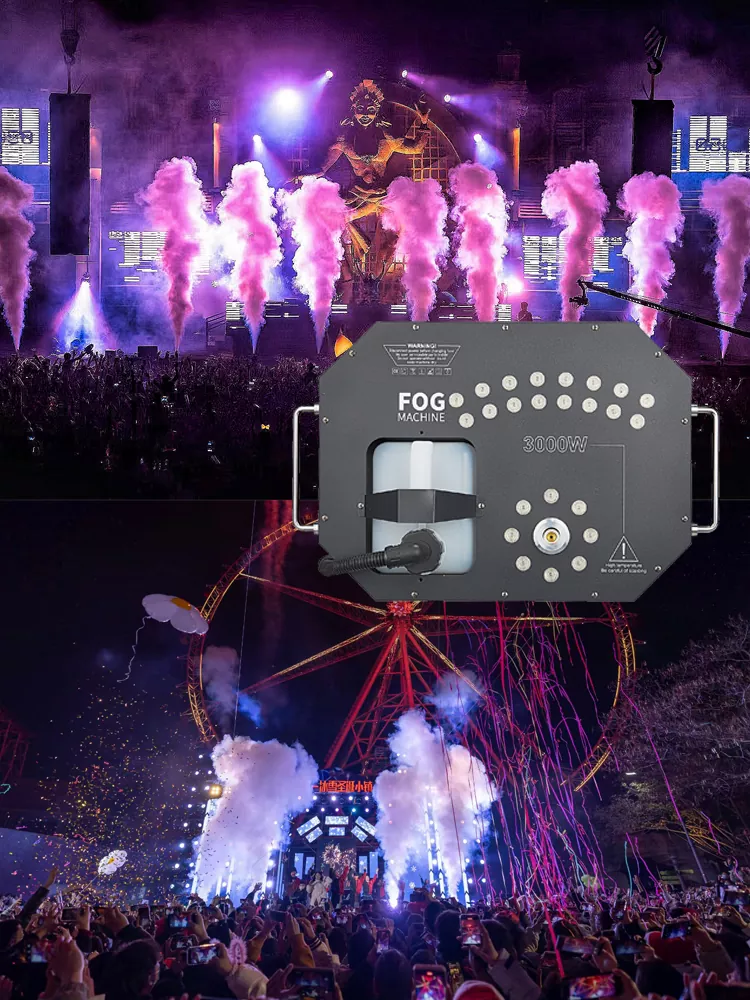
#showinlighting #stagespecialeffect #stagesmokemachine #jetfogmachine #stageflameeffect #coldsparkmachine #rentalstagegear #stageequipmentprocurement #eventproductiongear #b2bstageequipment #stagetechnicalguide