심천 쇼인 스테이지 조명 유한 공사

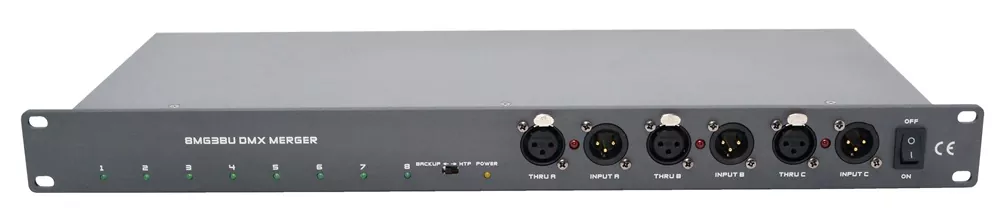
8MG3BU 3‑In‑8‑Out DMX512 Merger Signal Combiner With HTP LTP Backup Mode For Stage Live Production

The 3‑in‑8‑out dmx512 merger signal combiner is a rack‑mount professional DMX512 signal management hub built for complex live‑event lighting control systems. Reliable DMX signal transmission is critical for concerts, theatre performances and broadcast shows. System engineers often face real‑world troubles: multi‑console signal conflict, ground‑loop interference, long‑cable signal attenuation, and sudden main‑console crash during live performance. Simply paralleling multiple DMX sources will cause signal contention and may damage console transceiver chips. This unit solves above‑mentioned pain points with three selectable logic modes, full opto‑isolation protection and eight regenerated buffered outputs. It works as merger, priority switcher, backup fail‑over device and signal distributor all‑in‑one, lowering live‑show failure risk for rental houses and fixed‑venue installations. For extra stage control hardware reference, check our website.
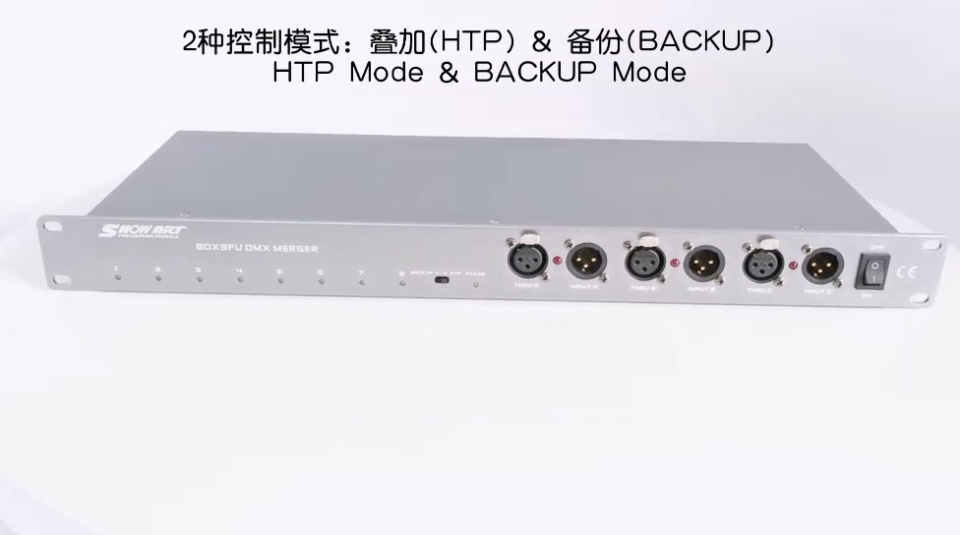
Core Function Overview Of 8mg3bu 3‑in‑8‑out dmx512 merger signal combiner
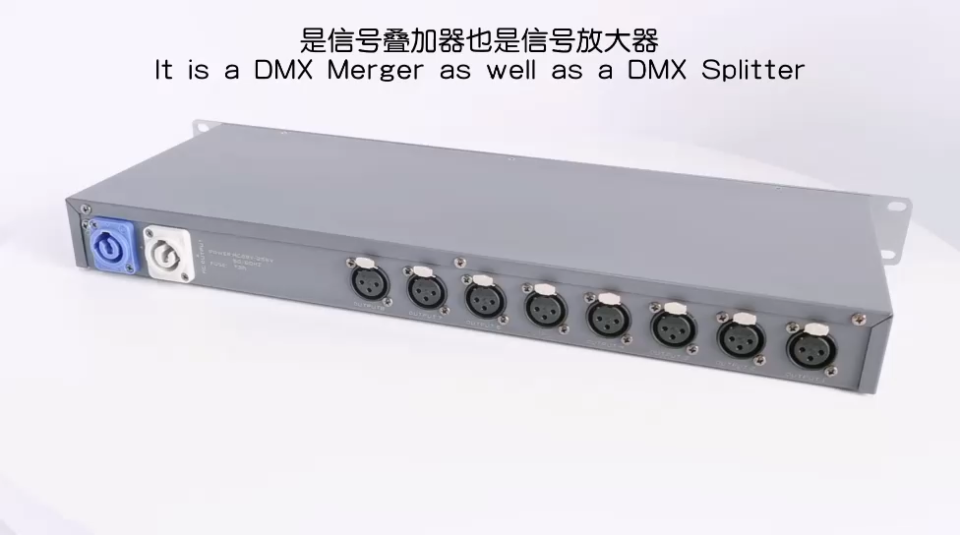
DMX512 follows one‑master‑multiple‑slave serial protocol. When main console, backup console and effect console need to run simultaneously, you cannot directly parallel DMX outputs. This hardware receives up to three DMX input sources A/B/C, processes signal under user‑selected logic rules and outputs eight clean regenerated DMX universes.
Three Selectable Operating Modes via Rear‑Panel DIP Switch
- HTP (Highest Takes Precedence) Mode The unit compares channel value 0‑255 across three inputs and outputs the highest value.
Practical use case: Main show console plus secondary effect console. It avoids accidental black‑out caused by effect‑console zero‑value command. Widely adopted for architectural safety‑override lighting and multi‑source theatre control.
- LTP (Latest Takes Precedence) Mode Priority is given to the most recently updated channel value regardless of brightness level.
Practical use case: TV studio multi‑operator workflow. Follow‑spot operator can instantly overwrite main console static parameters for real‑time performer tracking, fit for improvisational live broadcast production.
- BACKUP Triple‑Redundant Fail‑Safe Mode Strict priority sequence: Input A = primary, Input B = first backup, Input C = second backup. When input A signal disappears (console crash, power loss or cable break), hardware switches to B within microseconds without visible fixture flicker. If B also fails, input C takes over.
Practical use case: Mission‑critical large‑scale concerts, festival main‑stage and broadcast events. Engineers get troubleshooting time while show keeps running for audience.
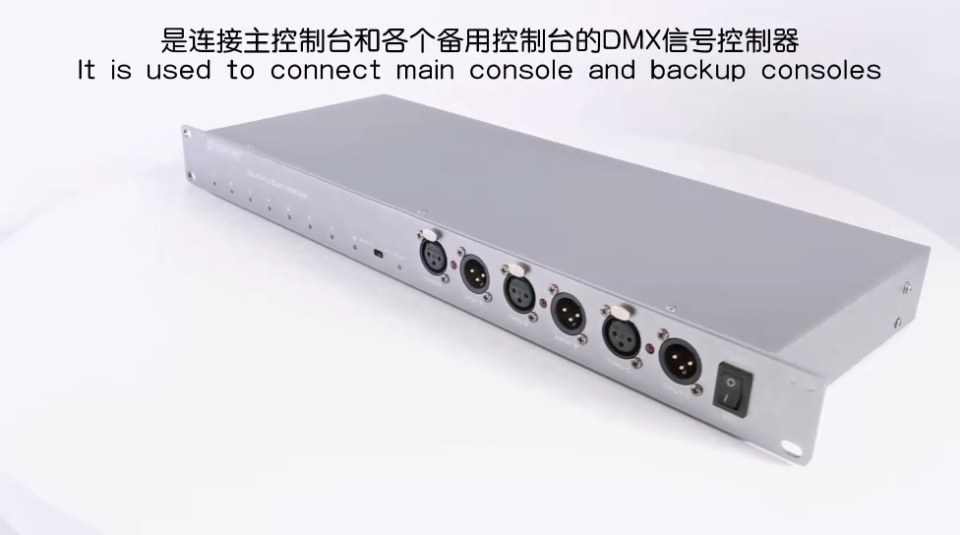
Full Opto‑Isolation For Hardware Protection
Ground‑loop noise, stray voltage and surge from long DMX cables are common risks in complex venue power networks. Without isolation, surge can flow backward and burn expensive console transceiver chips. Every input and output port of this unit adopts complete opto‑isolation design. It builds non‑conductive physical barrier for each signal path. Short‑circuit or surge fault on output side will be contained locally and will not damage main or backup lighting consoles. This protects your whole DMX control ecosystem.
Regenerated Super‑Drive 8‑Channel Buffered Outputs
Standard DMX512 signal normally degrades beyond 100‑meter cable length, creating fixture mis‑addressing, random flicker or loss of control. Each of eight outputs is equipped with high‑current line‑driver circuit. It reshapes and restores DMX waveform amplitude. With high‑quality DMX cable, stable transmission distance can extend over 300 meters. These eight independent buffered outputs also work as built‑in DMX splitter. Users can distribute merged signal to multiple fixture zones without purchasing extra external distributor hardware, saving rack space and procurement cost.
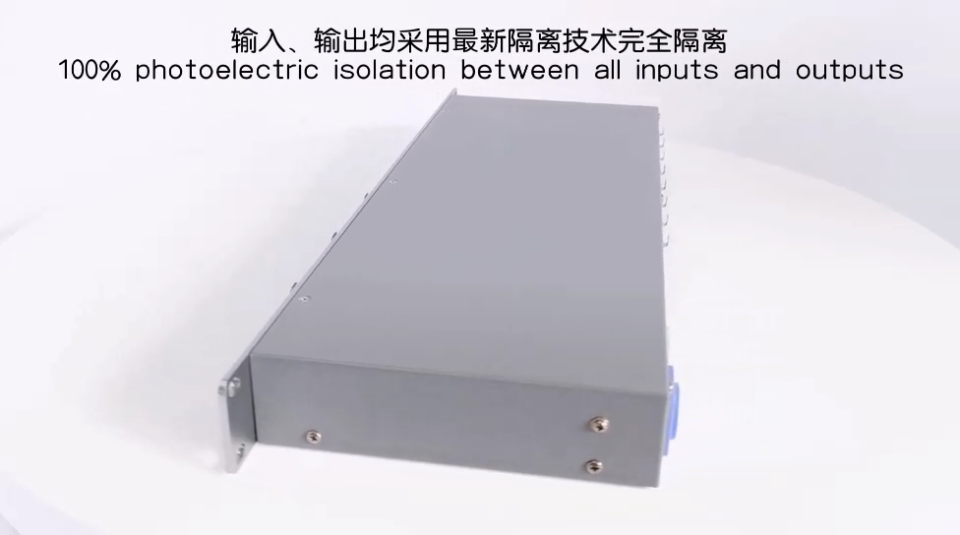
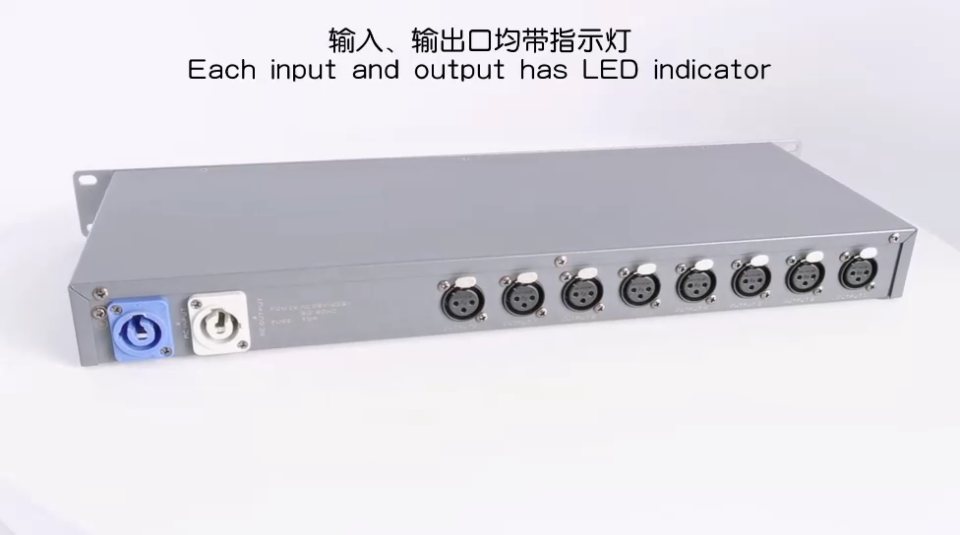
Front‑Panel Real‑Time LED Status Indication
Technicians can diagnose signal status quickly during sound‑check or live‑show:
- Yellow power LED: confirm unit power‑on status
- Input A/B‑C green LED: light up when valid DMX signal is detected; turn off for signal loss
- Eight output LED: indicate active merged DMX output status Rapid visual feedback shortens fault‑finding time for touring crews.
Hardware & Certification Highlights
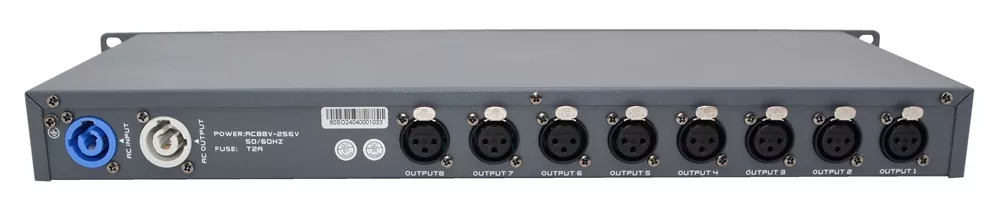
- Universal wide‑voltage power supply: AC88‑256V, 50/60Hz, adapts global venue power including generator‑powered festival sites. Internal T2A fuse provides surge protection.
- Standard 1U 19‑inch rack‑mount steel chassis (482×173×46 mm, net weight 1.75 kg). Good electromagnetic shielding against nearby transformer and wireless‑device interference, suitable for rough touring transport inside flight case.
- Global safety certifications: CE, UL, GB 7000.15‑2000. Qualified for international bidding projects, government venues and high‑end hotel installations.
- Package contents: DMX merger main unit, AC power cord, user operation manual.
Suitable Application Scenarios
This 8mg3bu 3‑in‑8‑out dmx512 merger signal combiner serves diversified B2B lighting‑control projects:
- Concert Touring & Music Festival Production: Activate BACKUP triple‑failover mode for main‑stage multi‑console redundant system, avoid show‑stopping failure in front of large‑size audience.
- TV Studio & Broadcast Facility: Apply LTP mode for multi‑operator collaborative lighting workflow between main lighting director and follow‑spot technicians, guarantee smooth on‑air transitions.
- Theatre & Performing‑Arts Center: Merge house console, follow‑spot console and special‑effect console; distribute signal to stage wash light and cyclorama fixtures via eight buffered outputs.
- Theme‑Park & Night‑Time Spectacle: Long‑distance DMX signal transmission for distributed outdoor fixture groups; opto‑isolation reduces interference risk from complex on‑site power grid.
- Architectural & Landscape Lighting: Use HTP logic for safety‑light priority override; multiple outputs cover building facade, bridge and monument lighting installation.
- Stage‑Rental‑House Inventory: One‑rack‑unit hardware combines merger, priority switcher, backup fail‑over and DMX splitter functions. Reduce total flight‑case volume and enrich rental‑project solution capability.
Important operational note: Set DIP‑switch mode before show run; avoid switching logic mode during live performance to prevent unexpected lighting jump.
On‑Site Deployment & Troubleshooting Advice
- Confirm DIP‑switch position matches your working requirement before power‑on. Do not toggle switch during live show playback.
- Check input‑port LED indicator status to verify whether main / backup console outputs valid DMX signal.
- For long cable deployment: Use high‑quality twisted‑pair DMX cable; take advantage of regenerated output to extend transmission range.
- In multi‑console BACKUP mode: Test fail‑over function in pre‑show rehearsal. Manually cut main‑console signal and verify glitch‑free switch‑over to backup source.
- Install unit inside standard 19‑inch equipment rack, keep ventilation space, avoid high‑temperature sealed cabinet environment.
- Keep original manual for overseas‑project technical reference and equipment hand‑over.
FAQ for 8MG3BU 3‑In‑8‑Out DMX512 Merger Signal Combiner
Q: What core value does 8mg3bu 3‑in‑8‑out dmx512 merger signal combiner bring for lighting system engineers?
A: This all‑in‑one DMX processing hardware solves multi‑console signal conflict, ground‑loop surge risk, long‑distance signal attenuation and main‑console crash emergency backup. It integrates merger, priority switcher, triple fail‑over backup and 8‑port buffered splitter, improves whole‑system stability for touring and fixed‑installation lighting projects.
Q: What is the difference among HTP, LTP and BACKUP mode?
A: HTP outputs highest channel‑value among inputs; LTP outputs latest‑changed channel‑value; BACKUP works under strict A‑B‑C priority hierarchy and auto‑switches upon signal loss. Each mode targets distinct live‑show workflow requirements.
Q: Can this unit work as a simple DMX splitter without merging multi‑console signals?
A: Yes. Feed single DMX source into Input A, select proper mode. Eight regenerated opto‑isolated outputs work as high‑performance 1‑to‑8 DMX distributor.
Q: How long DMX cable can I use with this merger’s regenerated output?
A: Using professional‑grade DMX twisted‑pair cable, stable transmission can reach over 300 meters, far beyond standard 100‑meter DMX limit.
Q: Will switching DIP‑switch mode during live‑show cause lighting glitch?
A: Yes. Mode change will rebuild signal logic. Always configure DIP‑switch setting during pre‑show setup or rehearsal, not during live performance.
Q: Does opto‑isolation function protect lighting consoles against surge damage?
A: Opto‑isolation creates non‑conductive barrier for each signal port. Short‑circuit or surge fault on output side will not feed back and burn console internal transceiver chips, greatly lowering expensive hardware‑repair risk.
B2B Wholesale & Project‑Solution CTA
If you are stage‑rental operator, lighting‑system integrator or venue technical contractor searching for reliable 8mg3bu 3‑in‑8‑out dmx512 merger signal combiner, we provide function‑selection guidance, wiring‑scheme suggestion and bulk‑order‑wholesale quotation for touring‑concert, theatre, broadcast‑studio and architectural‑lighting projects. Contact our B2B sales‑engineering‑team today to receive full datasheet, user manual and overseas‑project‑support information for your upcoming lighting‑control‑system build.
#showinlighting #dmx512merger #stagelightcontrol #htpltpdmx #dmxfailover #rackmountdmx #touringstagegear #theatrelightingtech #broadcastlighting #stagerentalgear #b2bstageequipment