심천 쇼인 스테이지 조명 유한 공사

Evolution Of Full‑Gamut LED Stage Lighting Technology Complete Buyer Guide For Global Live‑Event Procurement
evolution of full‑gamut led stage lighting technology complete buyer guide rgb rgbw 6‑in‑1 multi‑chip stage led fixture procurement reference for global live‑event

The evolution of full‑gamut led stage lighting technology complete buyer guide breaks down the technical iteration path of modern professional LED stage luminaires and delivers practical sourcing suggestions for international B2B buyers. Twenty years ago, stage lighting markets were dominated by halogen and gas‑discharge moving heads. LED fixtures gradually took over theatre, music festival, bar and cultural‑tourism night‑show markets for high energy‑saving performance, long service life and compact form factor. Nevertheless, early simple RGB LED products had obvious native drawbacks: color‑mixing gaps, uneven wash output, severe color shift under low brightness and poor batch‑to‑batch consistency. Different units output divergent colors under identical DMX setting, causing patchy stage effect and ugly banding in broadcast footage. After over ten‑year technical iteration, 2026‑generation professional stage LED moved past basic RGB solution toward RGBW, RGBA, RGBAL, 5‑in‑1 and 6‑in‑1 full‑spectrum multi‑chip architecture. Combined with precision optics, constant‑current driving algorithm and factory calibration system, modern fixtures realize wide‑gamut and accurate color control. This article summarizes real‑world feedback from global lighting designers, helping rental houses and system integrators select qualified color‑stable professional LED hardware for high‑standard projects. For extra stage‑lighting hardware reference, check our website.
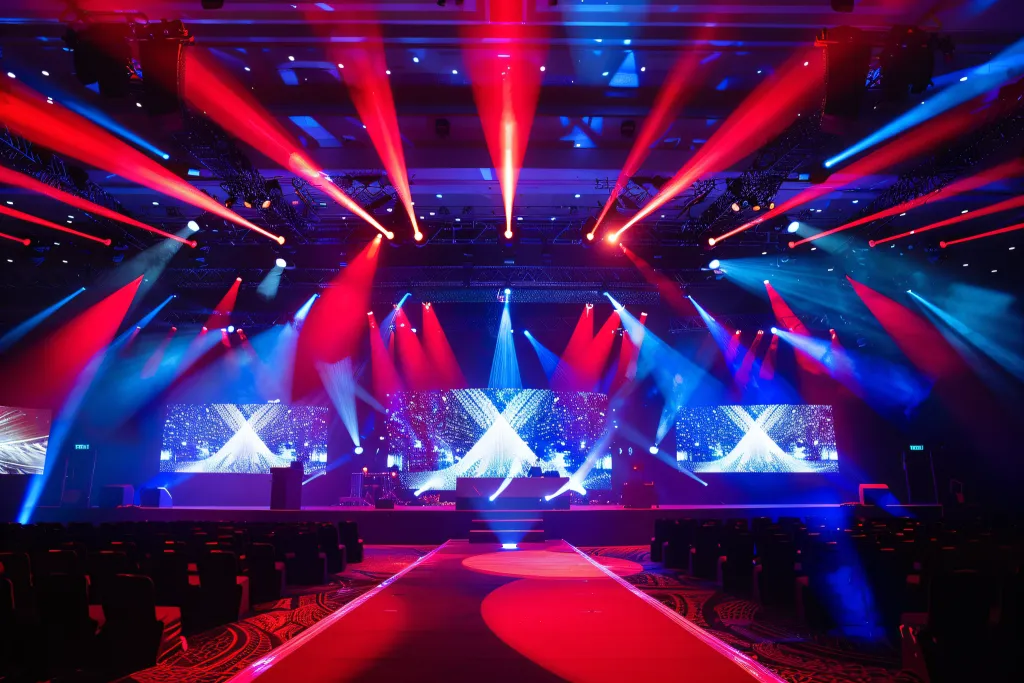
Technical Milestones Of evolution of full‑gamut led stage lighting technology complete buyer guide
Drawbacks Of Early Pure‑RGB Stage LED Fixtures
Many low‑cost entry‑level products still adopt basic three‑chip RGB solution, with well‑known field weaknesses:
- Defective color‑mixing performance: Hard to generate soft low‑saturation tone such as pale pink, light cyan and natural skin tone. Low‑current chip operation brings spectral drift and visible color deviation.
- Spatial color‑fringing artifact: Red / green / blue chips are physically separated. Long‑throw beam shows obvious colored halo at beam edge. Multi‑fixture array will amplify this visual defect.
- Poor batch‑to‑batch consistency: Loose LED binning standard without factory calibration. Same‑model fixtures produce different color output under identical DMX value, resulting in mottled stage background.
- Unpolished dimming performance: Missing gamma correction logic. Flicker and color drift appear at low dimmer value, creating bad artifacts for broadcast camera recording.
Real‑world feedback from overseas rental teams: Pure‑RGB units are barely acceptable for small casual events, but cannot satisfy theatre, large concert and UHD live‑broadcast requirements, bringing high rework rate and client complaints.
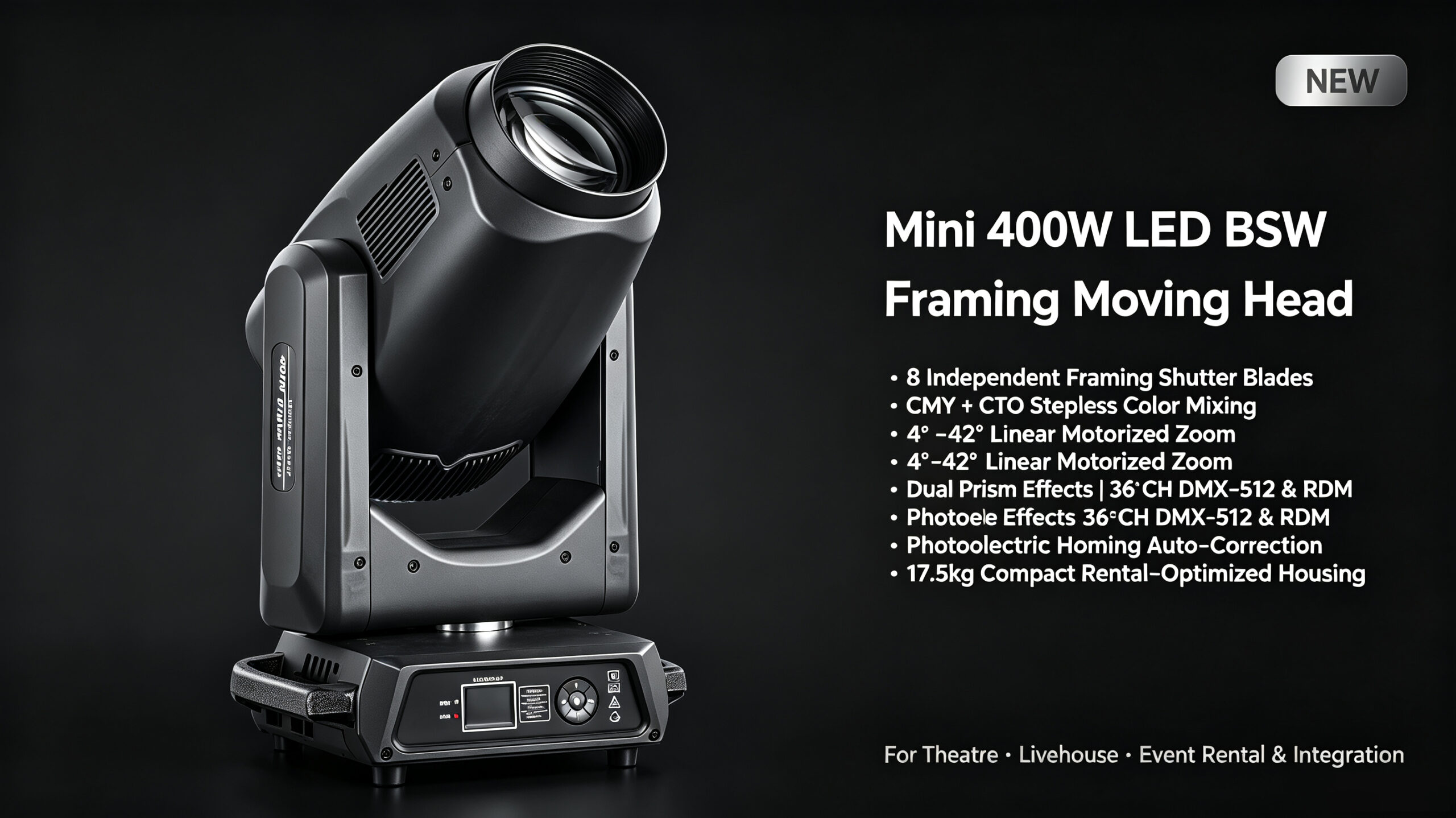
RGBW 4‑In‑1: First Practical Upgrade For Better Color‑Mixing
RGBW adds independent dedicated white chip based on original RGB framework, and still acts as mainstream configuration for mid‑tier LED PAR and fresnel fixtures.
- Independent white chip generates clean neutral / warm white tone, removes cyan or purple tint caused by RGB‑mixed‑white. Skin‑tone reproduction gets improved for front‑light and wedding projects.
- Low‑saturation pastel colors become easier to achieve. Reduce the necessity of driving RGB chips at ultra‑low current, more than 40 % improvement of color uniformity versus pure‑RGB.
- Higher lumen efficiency under equal power consumption, rental teams can reduce fixture quantity and cut transport & cabling workload.
Limitations of RGBW solution: White chip carries fixed single color‑temperature, cannot realize on‑the‑fly CCT shifting. Green‑cyan spectral gap still exists; long‑throw distance still has slight color separation phenomenon. RGBW works as auxiliary fixture, and is not suitable to serve as primary key‑light for high‑end theatre and large‑scale festival projects.
RGBA / RGBAL / 5‑In‑1 / 6‑In‑1 Multi‑Channel Full‑Spectrum LED
Premium modern stage fixtures widely adopt multi‑chip composite light source, adding amber, lime or UV channel on RGB+white foundation to fill spectral blind spots at hardware level.
- Fill yellow‑green and amber spectral gaps, reproduce natural earth tone, warm orange and olive‑green cinema‑grade hues with smooth transition.
- 6‑in‑1 hardware equipped with dual warm‑cool white chips supports stepless CCT adjustment from 2700K‑8000K. Single fixture handles theatre warm key‑light, studio cool white and daylight simulation, lowers rental‑house inventory pressure.
- Compact multi‑chip packaging plus high‑precision fly‑eye lens greatly suppress beam‑edge color fringing. Large cyclorama background wash achieves even seamless color performance.
- Fixtures with extra UV channel create fluorescent and neon immersive atmosphere for nightclub, theme‑park and immersive theatre, combining conventional wash‑light and special‑effect output inside single unit.
Note: High‑quality multi‑chip light source is only hardware foundation. Stable color output also relies on driving algorithm, optical assembly and factory calibration.
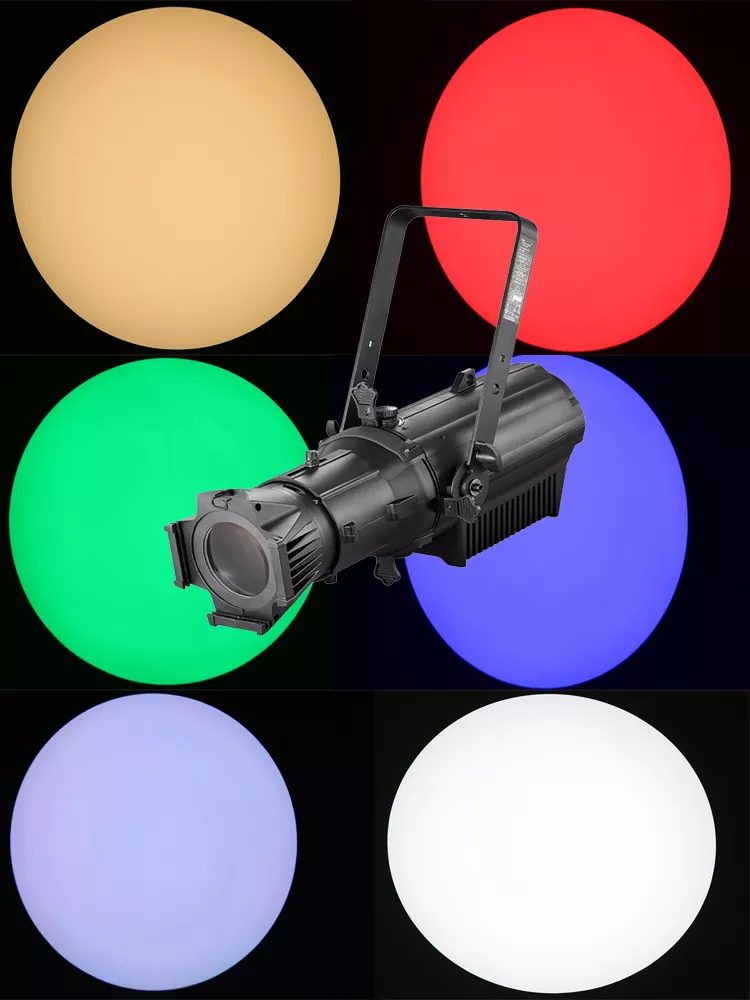
Critical Supporting Technologies For Consistent Color Output
Driver & Gamma‑Correction Dimming Algorithm
Even using identical 6‑in‑1 LED chipset, driving system quality determines real‑world color control accuracy.
- Multiple selectable gamma curves: linear, theatre gamma2.2, broadcast gamma2.6. Guarantee smooth 0‑100 % dimming transition. Zero flicker and zero color‑shift under minimum brightness for 4K /8K broadcast recording. Budget fixtures only provide single rough dimming curve and fail video shooting requirement.
- Independent constant‑current driving per color channel. Adjustment for one channel will not interfere other channels. Dynamic color‑changing effect presents fluid seamless transition without abrupt jump. Cheap hardware adopts shared driving chip and brings cross‑channel interference artifacts.
- Complete DMX512‑A & RDM support, surge‑protection and spike‑suppression circuit. Resist voltage fluctuation under long‑cable large‑venue deployment, avoid random flicker or mid‑show color loss risk.
Optical System Decides Final Color‑Mixing Uniformity
LED chips generate light energy; optical components define how light projects onto stage surface.
- Fly‑eye lens array: Mainstream solution for high‑end wash and fresnel fixtures. Fully blend each independent LED beam, realize center‑to‑edge uniform color output. Avoid hot‑spot center and dark edge issue of low‑cost single condenser lens.
- Multi‑layer anti‑reflection coating: Reduce light reflection loss, filter stray‑light and halo effect. Resist lens yellowing and performance degradation after long‑time high‑power operation.
- Motorized wide‑range zoom optics: Keep color‑mixing consistency in full zoom range, no color deviation when beam angle changes, adapt dynamic stage creative camera movement.
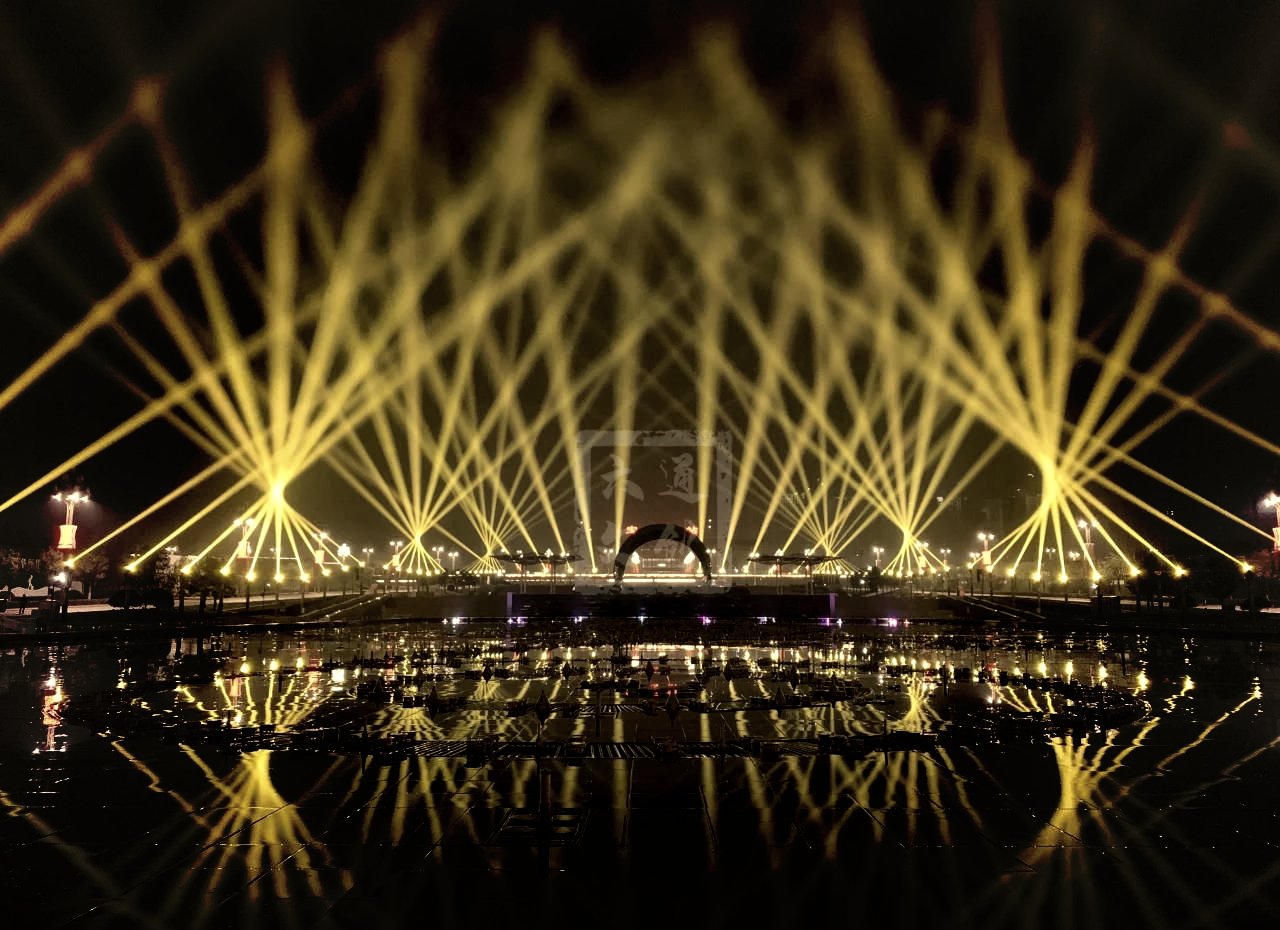
Factory Spectroradiometer Calibration — Core For Batch‑To‑Batch Consistency
Even LEDs inside same production batch have minor natural wavelength deviation. Without individual calibration, color difference will be amplified in multi‑fixture array.
- Premium export‑grade stage LED executes one‑by‑one spectroradiometer test before shipment. Compensation parameter is written into on‑board memory. Strict chromaticity error tolerance keeps unified output when receiving identical DMX command. Critical for international tour and permanent‑venue projects requiring new units matching old stock year by year.
- User‑savable custom color presets: Save tuned skin‑tone or signature stage color inside fixture, batch‑upload to whole rig, greatly shorten on‑site commissioning time for time‑pressured concerts and TV‑live events.
- Mass‑market budget fixtures skip calibration procedure, only depend on loose LED binning. Technicians spend massive working hours manually tweaking each unit on‑site, and sometimes cannot meet creative director visual standard.
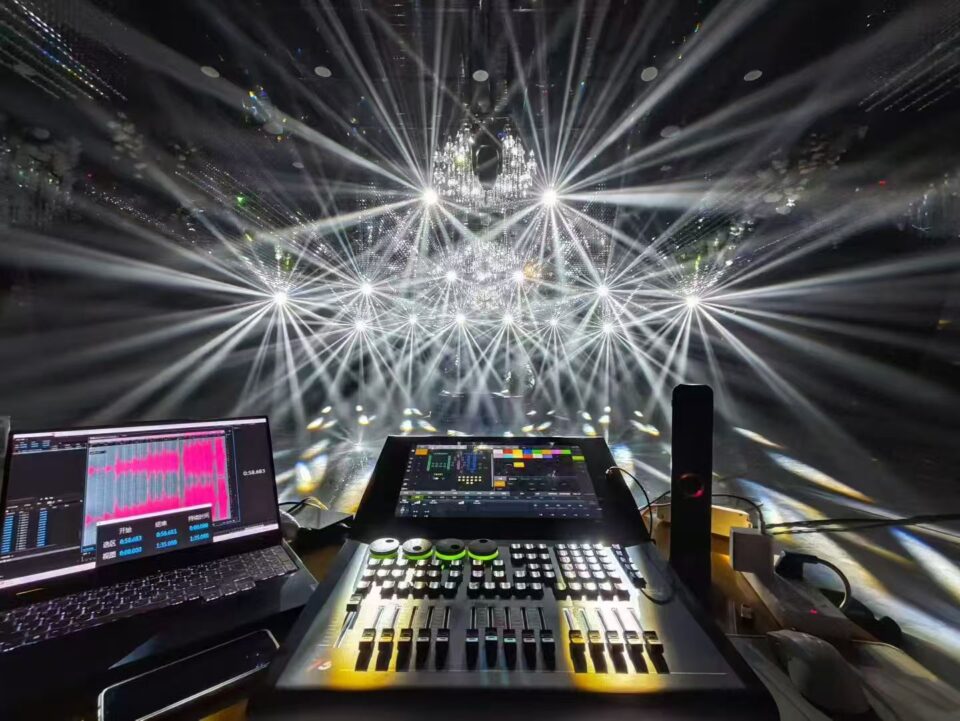
Thermal Design — Invisible Guarantee For Long‑Run Color Stability
LED junction temperature rise will shift light‑source wavelength, creating gradual color drift as show goes on. High temperature also accelerates lumen depreciation and shorten service life.
- Die‑cast aluminum dense fin heat‑dissipation structure; high‑power COB face‑light adopts temperature‑controlled silent fan. Fast heat dissipation stabilizes LED junction temperature, prevent “second‑half‑show color drift” for multi‑hour performance.
- Built‑in real‑time temperature sensor. Auto power‑down protection trigger under abnormal overheating condition. Especially valuable for music‑festival outdoor sites and poorly‑ventilated nightclub space.
- Stable thermal environment extends LED service lifespan up to 50000+ hours, brings better long‑term ROI compared with traditional halogen hardware.
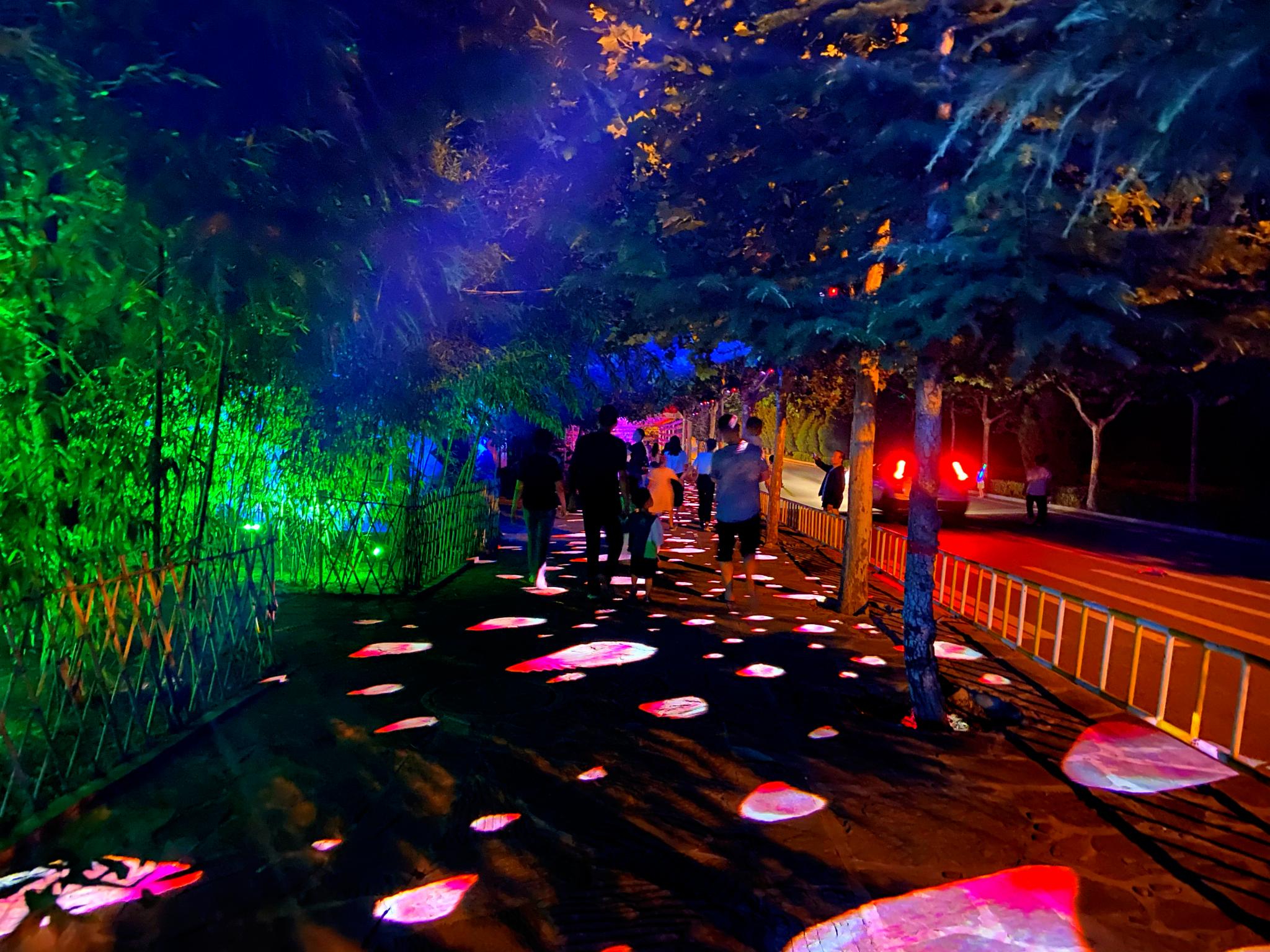
Mainstream 2026 Full‑Gamut LED Stage Fixture Categories
- LED COB Face Light (Theatre & Broadcast Key‑Light) Multi‑spectrum tunable CCT COB light‑source; pixel‑free soft output, optimized skin‑tone rendering; flicker‑free full‑range dimming. Fit fixed‑install theatre, TV‑studio, corporate award ceremony and indoor live production.
- LED 6‑In‑1 Moving‑Head 세탁 Light RGBLWA six‑channel full‑gamut emitter, motorized zoom, high‑speed pan‑tilt, fly‑eye optics, RDM remote management. Suited for concert, music festival, nightclub and large‑scale cultural‑tourism night‑show touring rental inventory.
- LED IP65 Outdoor PAR Light Multi‑chip full‑gamut light‑source, IP65 dust‑rain‑proof grade, sealed thermal design and surge‑protection. Work reliably for outdoor festival, waterside stage, theme‑park night‑time performance and open‑air wedding events.
- LED Blinder / Audience Light Multi‑high‑power LED array, adjustable color‑temperature, synchronized group‑control. Switch between strong strobe burst and continuous wash‑light output. Create high‑impact audience‑engagement visual effect for EDM festival and prime‑time TV variety shows.

Global Industry Future Trends
- Wide‑gamut LED chips covering Rec.2020 ultra‑HD color space will gradually become mainstream, catering to cinema‑grade and VR/AR shooting capture demand.
- Fixture built‑in cloud color‑reference library, massive pre‑saved film‑style and classic stage palette, realize one‑click recall and cut manual tuning workload.
- Deep integration of timecode, pre‑visualization software and lighting cue, realizing auto‑sync among lighting‑audio‑video for large immersive night‑tour projects.
- Rising market demand for IP66 / IP67 high‑protection full‑spectrum LED hardware for complex outdoor live‑event environment.
Practical B2B Sourcing Checklist
When you evaluate and purchase professional stage LED fixtures, prioritize these judging criteria:
- Prefer RGBA / RGBAL / 5‑in‑1 /6‑in‑1 full‑gamut light‑source; avoid basic pure‑RGB configuration for high‑end projects.
- Request factory color‑consistency test report; confirm chromaticity error tolerance for same‑model batch units.
- Verify selectable gamma‑curve and flicker‑free low‑brightness dimming function, mandatory for broadcast and live‑stream projects.
- Select proper IP protection rating: IP20 for indoor venue; outdoor deployment requires minimum IP65 grade.
- Confirm RDM protocol support plus independent per‑channel constant‑current driving, simplify large‑rig commissioning and fault‑troubleshooting.
Procurement reminder: Price cannot be the only judging factor. Color‑mixing uniformity, batch‑consistency, long‑run thermal stability and flicker‑free dimming directly decide project quality and client reputation. Low‑cost RGB‑only hardware can only undertake entry‑level small‑scale events. Full‑spectrum multi‑chip fixtures with factory calibration are required to win high‑margin theatre, tour and broadcast‑grade orders.

FAQ for Evolution Of Full‑Gamut LED Stage Lighting Technology Complete Buyer Guide
Q: What practical value does evolution of full‑gamut led stage lighting technology complete buyer guide bring for B2B buyers?
A: This guide sorts technical evolution path from early RGB toward modern multi‑chip full‑gamut LED, explains core importance of driving algorithm,optics,factory calibration and thermal design. It provides clear sourcing checklist helping rental operators and integrators avoid low‑grade hardware traps and select proper fixtures for theatre,broadcast,festival and cultural‑tourism projects.
Q: What is the core difference between RGBW and 6‑in‑1 full‑gamut LED?
A: RGBW has fixed single white color‑temperature and still reserves spectral gap for green‑cyan hue. 6‑in‑1 multi‑chip solution adds amber/lime channel, supports stepless wide‑range CCT adjustment and fills more spectral blind spots for cinema‑grade rich color expression.
Q: Why factory color calibration matters for multi‑fixture large rig?
A: Raw LED chips carry natural wavelength deviation even within same batch. Without spectroradiometer calibration, dozens of fixtures will show obvious color difference under identical DMX value, resulting in mottled stage background and bad broadcast footage.
Q: What hardware specifications must I check for broadcast‑studio LED fixture?
A: Multiple selectable gamma curves, flicker‑free low‑level dimming performance, per‑channel independent constant‑current driving, and stable thermal design to prevent runtime color‑drift.
Q: Can good optical lens compensate defects of low‑grade LED chip?
A: No. Optical system optimizes light mixing and beam output, but cannot fix native spectral shortage and chip‑level color deviation of low‑cost LED light source.
Q: What causes color shift during multi‑hour live show?
A: Mostly comes from LED junction‑temperature rising. High‑quality thermal‑dissipation structure plus temperature‑monitor protection can suppress this gradual color‑drift phenomenon.
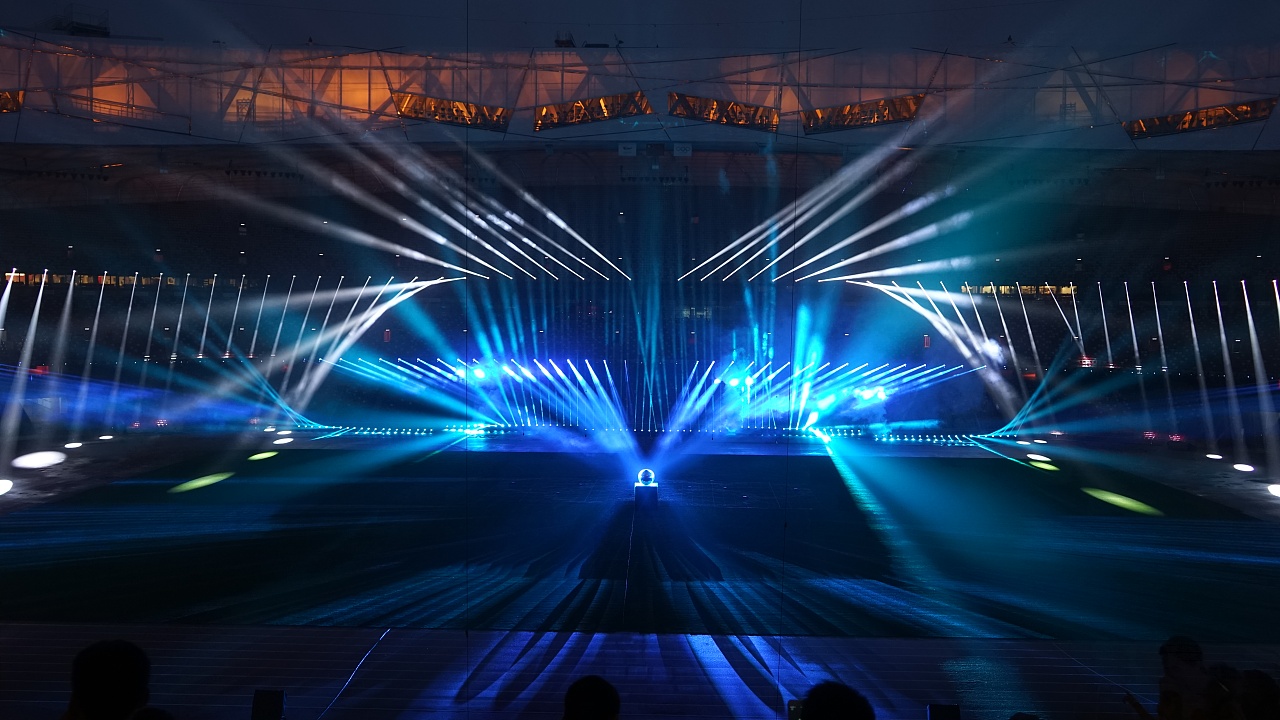
B2B Wholesale & Project‑Solution CTA
If you are stage‑rental operator, theatre‑studio integrator or cultural‑tourism‑project contractor searching for reference from this evolution of full‑gamut led stage lighting technology complete buyer guide, we can provide fixture‑technology consultation, model‑selection suggestion and bulk‑order‑wholesale‑quotation service for theatre, broadcast‑studio, music‑festival and night‑tour lighting‑system projects. Contact our B2B sales‑engineering‑team today to receive full‑spec datasheets, color‑performance‑reference documents and overseas‑project‑technical‑support for your upcoming live‑event production.
#showinlighting #stageledlighting #fullgamutled #rgbwled #6in1led #theatrelighting #broadcaststagelighting #stagelightingprocurement #liveeventtech #b2bstageequipment #lightingdesign