Шэньчжэньская компания «Showin Stage Lighting»

Complete Guide To Stage Lighting Controllers For Rental Integrator And Venue Operators
complete guide to stage lighting controllers dmx art‑net sACN lighting console for rental integrator venue operator

The complete guide to stage lighting controllers breaks down console categories, core protocols, version upgrades and real‑world project pain points for B2B stage industry buyers. Lighting controllers act as the central nerve hub for all stage lighting systems. They handle signal editing, scene storage, real‑time switching, dimming and multi‑fixture synchronized playback. As global live‑event industry shifts toward digital, smart and lightweight hardware, old analog desks are replaced by digital consoles, touch‑screen units, network‑based controllers and compact wireless DMX devices. European and North‑American buyers now focus on smart programming workflow, lightweight handling, high system stability, multi‑device interoperability and remote maintenance. This reference material serves rental companies, system integrators, fixed venue operators and event‑production agencies, following Western live‑site operational standards. For additional stage production reference, check our stage‑special‑effect‑equipment‑component‑level‑buying‑guide.
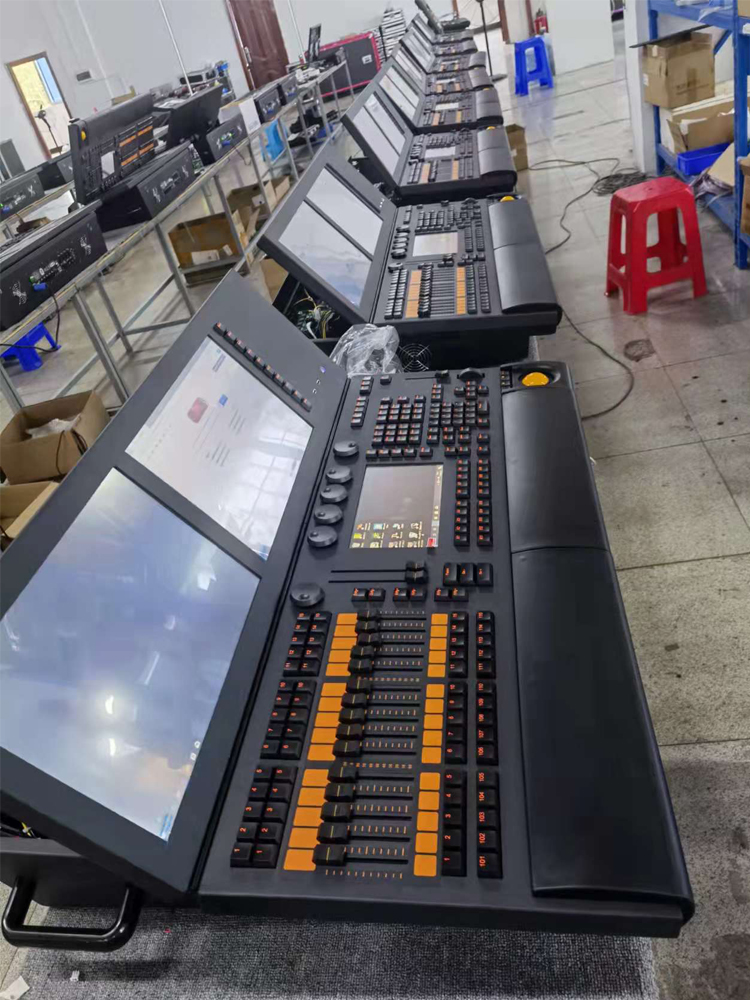
Core Terminology In complete guide to stage lighting controllers
Before selecting hardware, buyers need to master common industry protocols and definitions. DMX512, Art‑Net and sACN are globally accepted communication standards for stage lighting control. Clear understanding of these terms helps you evaluate product specs and communicate smoothly with overseas clients.
- DMX512 Console: Industry‑standard digital lighting desk built on DMX512‑A protocol. Each channel manages fixture parameters including dimmer value, color, strobe, pan and tilt. Common channel sizes include 192, 240, 384, 512 and 1024 channels. Widely compatible with over 99 % conventional stage fixtures for small‑to‑medium events and commercial venues.
- Touch‑Screen Smart Lighting Console: Equipped with high‑definition capacitive touch panel. It supports visual graphic editing and drag‑and‑drop operation. Operators no longer need to memorize complex key combinations. It becomes mainstream hardware for mid‑to‑large shows and professional theatre sites.
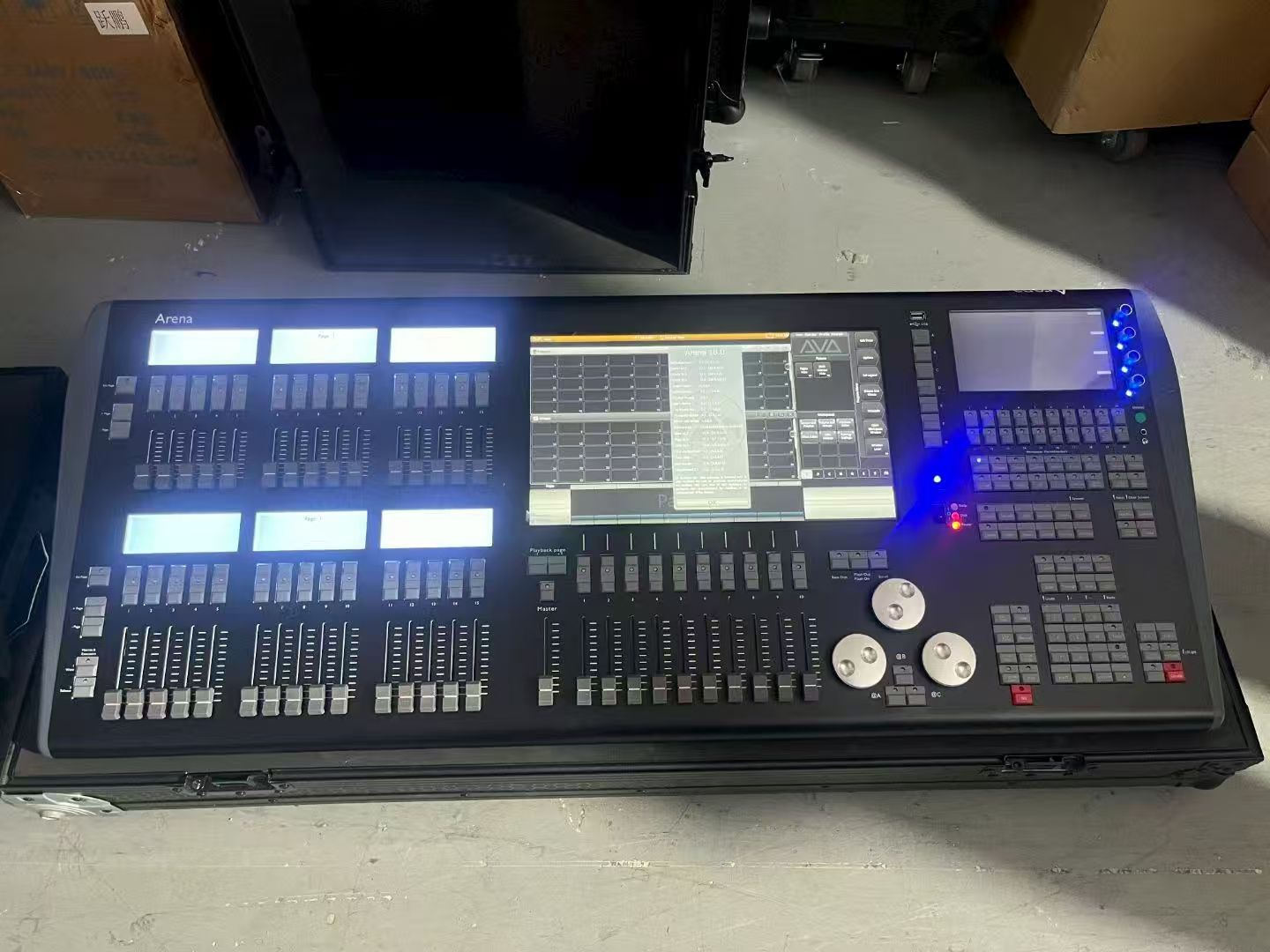
- PC‑Based High‑End Programming Desk: Represented by MA series, Avolites Titan, Hog and Chamsys product lines. It runs embedded or PC operating systems. Users can build cue stacks, timeline sequences and multi‑layer scene presets. These flagship desks power large‑scale concerts, music festivals and touring theatre productions.
- Network Lighting Console (Art‑Net / sACN): Transmit lighting signal via Ethernet cable. It breaks the 100‑meter distance barrier of traditional DMX wiring. With network switches and fiber optic cables, operators realize long‑range multi‑zone control for outdoor festivals and large architectural lighting projects.
- Mini Portable Lighting Console: Compact lightweight plug‑and‑play unit with simplified channel quantity and one‑click scene playback. Great priority on easy transport and simple operation. Suitable for small corporate events, wedding shows, lounge bars and roadshow activities.
- Wireless Lighting Controller: Built‑in 2.4GHz wireless DMX module. It removes heavy signal cable layouts and supports handheld mobile adjustment. Ideal for quick‑setup temporary events.
- Expansion Wing / Fader Extension: Auxiliary hardware connecting to main console. It adds extra physical faders and playback buttons. Supports multi‑operator collaborative work for large galas and multi‑camera broadcast productions.
- Preset & Custom Effect Library: Factory‑built chase, fade, strobe and wave effect templates. Users can create, save and export self‑made lighting sequences for reuse across different consoles.
- Channel Tracking & Scene Fade: Advanced smart function. It tracks real‑time fixture parameter status. It delivers smooth scene transition without flicker or black‑out and guarantees show continuity.
- Offline Standalone Operation: After scene files are saved inside local storage, the console can run lighting sequences automatically. No PC or live operator required. Perfect for bars, theatres and theme parks with daily cyclic playback.
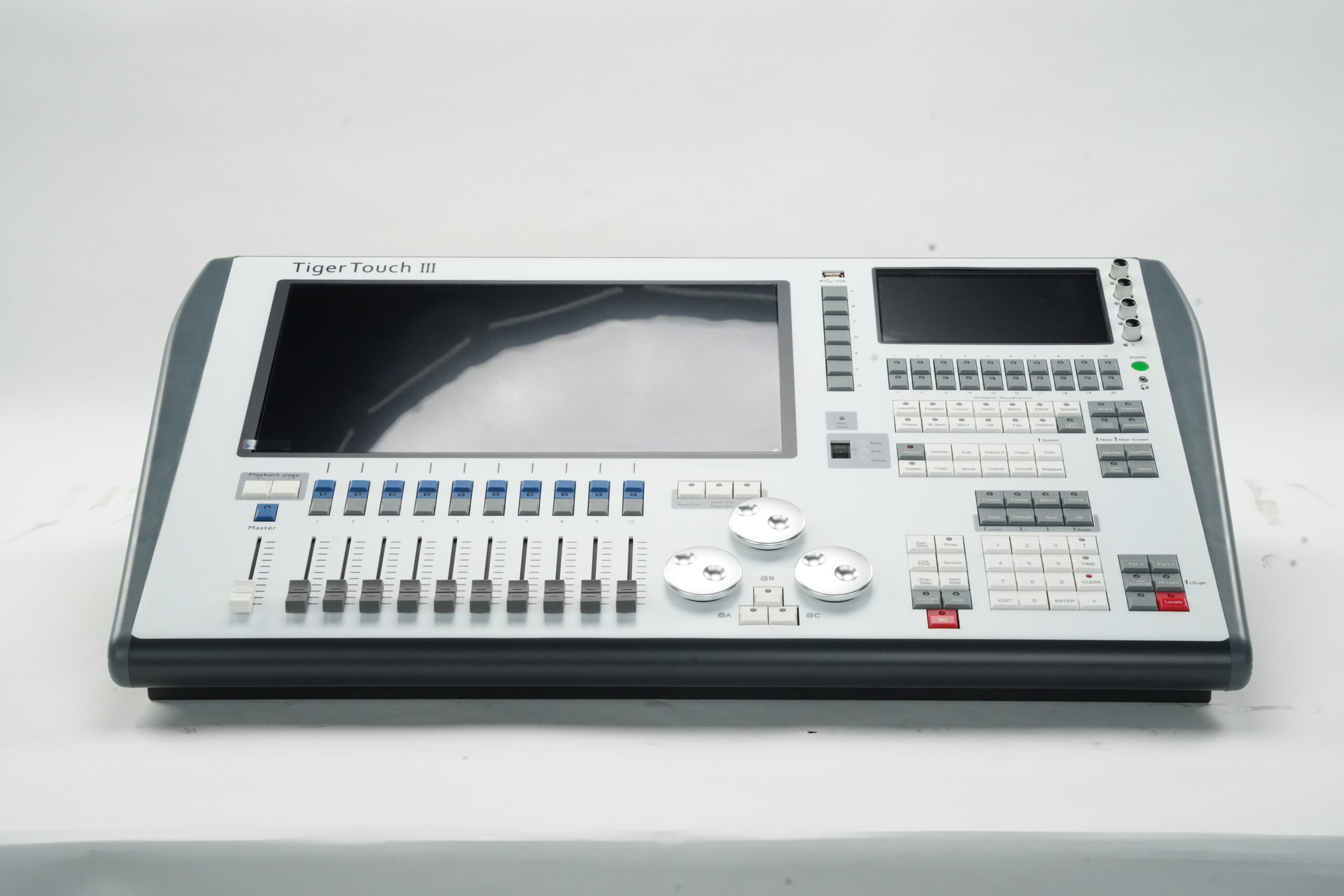
Mainstream Console Categories, Firmware Versions & Key Feature Upgrades
Lighting console hardware evolved in three phases: analog desk → digital button console → touch‑screen smart console. Current market trends focus on network intelligence, lightweight design, auto‑programming and remote management.
Standard DMX512 Button Consoles (Entry‑Level Commercial)
Popular versions: 192‑channel (V8.9 firmware), 384‑channel (V10.2), 512‑channel professional edition. Target users: small rental shops, wedding studios and independent production crews. Major upgrades:
- Improved anti‑interference signal performance for outdoor venues
- Universal 110V‑240V wide‑voltage power input
- Multi‑language UI: English, Spanish, French
- USB import / export for fast program backup and migration
- Optimized built‑in effect library for modern minimalist stage aesthetics
- Smooth 0‑100 % dimming curve for LED pars, beam, spot and wash fixtures
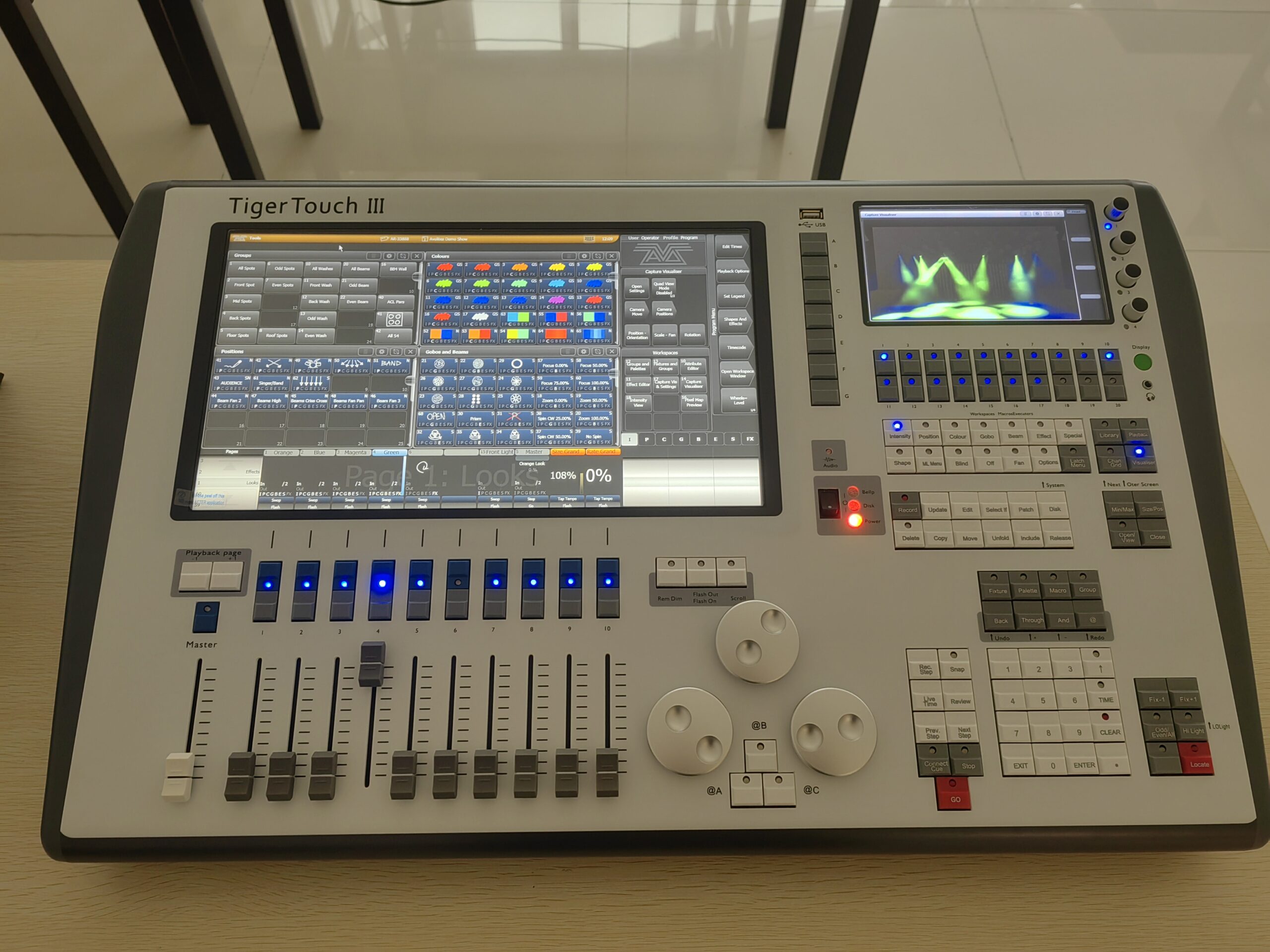
Touch‑Screen Smart Lighting Consoles (Mid‑Range Commercial)
Popular versions: 1024‑channel touch console Pro Max, 768‑channel smart V12 edition. Target users: mid‑size live events, chain nightclubs, community theatres and corporate galas. Major upgrades:
- 10.1‑inch industrial multi‑touch capacitive screen, supports drag‑drop and double‑tap shortcuts
- Smart auto‑patch: auto‑detect fixture model and channel mode to cut manual configuration work
- Dual signal output: DMX plus Art‑Net for multi‑zone separated control
- Millisecond‑accurate timeline programming for music‑synchronized light shows
- Massive local storage for thousands of scenes and effects; folder management and password lock for live‑show safety
High‑End PC‑Based Professional Consoles (Flagship Large‑Scale)
Popular versions: MA2 / MA3 latest firmware, Avolites Titan series, Hog4, Chamsys Expert Pro. Target users: arena concerts, international music festivals, Broadway‑style theatre and TV broadcast events. Major upgrades:
- 64‑bit high‑speed processor, up to 40 % performance improvement, supports thousands of DMX channels simultaneously
- AI‑assisted cue generation: auto‑create lighting effects according to music tempo, shorten programming hours
- Built‑in 3D visualizer: pre‑simulate complete show before load‑in and discover potential risks
- Remote access: off‑site programming, fault troubleshooting and firmware update for world‑wide touring projects
- Master‑slave multi‑console linking, multi‑user collaborative programming
- Cloud‑synced custom effect library for cross‑device project reuse
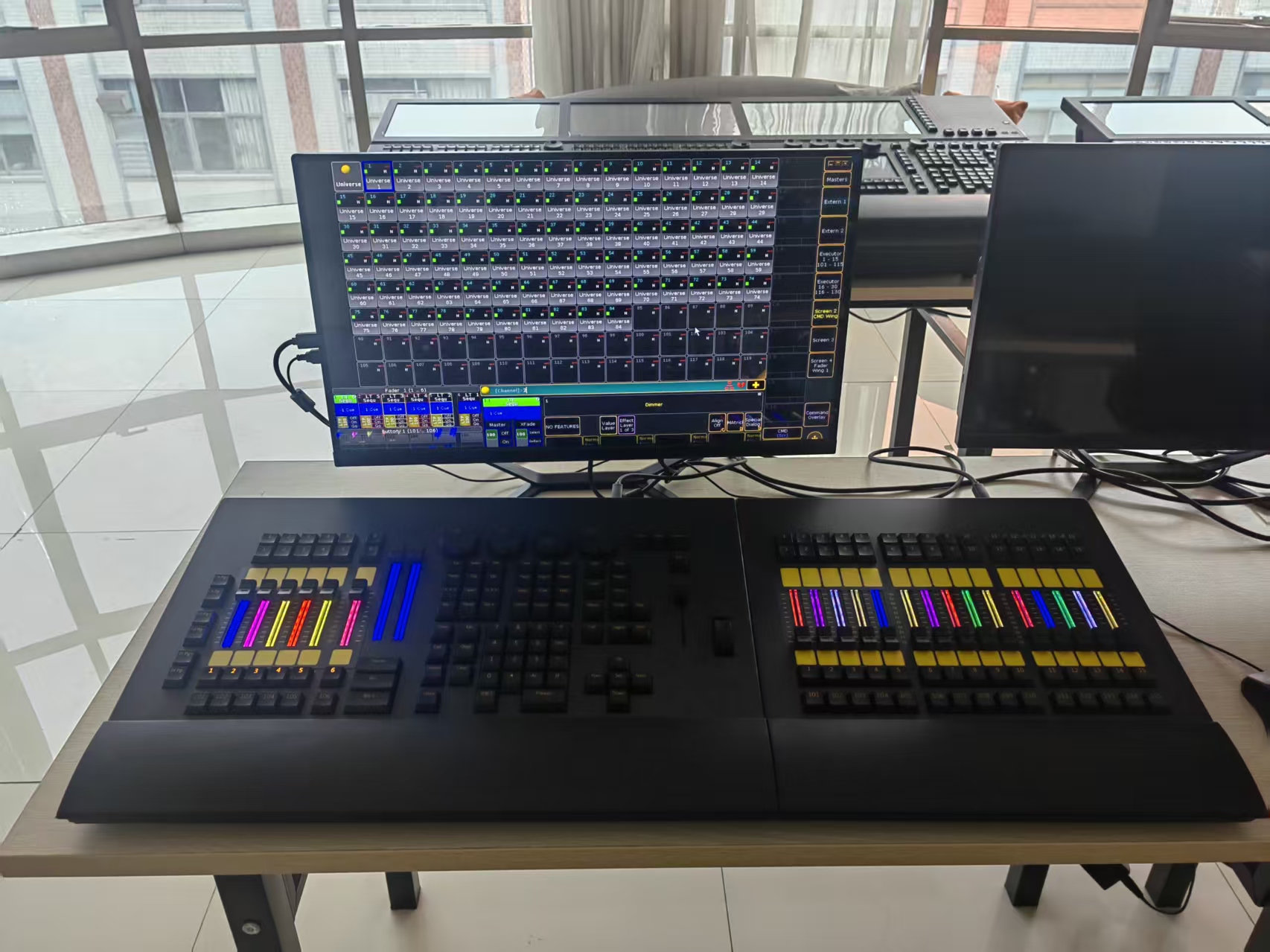
Art‑Net Networked Intelligent Consoles (Distributed Installation Grade)
Popular versions: 4096‑channel network console V15 engineering edition, 2048‑channel distributed control system. Target users: large outdoor music festivals, theme parks, immersive theatres and multi‑zone commercial complexes. Major upgrades:
- Break 100‑meter DMX cable restriction; Ethernet / fiber transmission runs over 1000 meters without signal loss
- Multi‑subnet zoning for independent programming in different venue zones
- Native support for Art‑Net, sACN and DMX512 for maximum hardware interoperability
- Automatic network fail‑over: secondary backup link activates instantly once primary signal fails, avoid show interruption
- Real‑time fixture status monitoring: read power, signal and fault warning for every connected light
- Remote adjustment via smartphone or laptop, operators modify parameters without staying at console position
Mini Portable Lighting Consoles (Lightweight Essential Grade)
Popular versions: 54‑channel, 128‑channel Mini Pro portable unit. Target users: European and American roadshows, intimate weddings, private parties and school performances. Major upgrades:
- Ultra‑compact weight below 1 kg for true plug‑and‑play mobility
- Built‑in rechargeable lithium battery, delivers 4‑6 hours cordless outdoor running
- One‑click preset scene templates for party, wedding and ambient background lighting
- Optimized signal stability to reduce flicker and dropout issues seen on older compact desks
- State memory: restore all settings after power cycle, save pre‑show setup time
Wireless Handheld Lighting Controllers (Mobile Auxiliary Grade)
Popular versions: 2.4GHz long‑range wireless handheld transmitter extended edition. Target users: auxiliary control partner for all scales of live production. Major upgrades:
- Up to 300‑meter open‑air operating range with enhanced EMI shielding
- Frequency‑hopping anti‑interference, avoid signal cross‑talk when multiple wireless units work together
- Ergonomic non‑slip handle for long‑time handheld operation
- Quick‑access buttons for pause, scene switch and brightness fine‑tuning. Operators make real‑time adjustments anywhere inside venue.

B2B Real‑World Customer Pain Points & Practical Solutions
Summarized from overseas rental and fixed‑installation project feedback.
- High learning barrier and time‑consuming programming Solution: Select touch‑screen or mini portable consoles with visual workflow. Use auto‑patch and one‑click template plus AI‑assisted effect generation. Tasks that once take hours can finish within minutes. Reduce labour cost and dependency on senior lighting programmers.
- Unstable signal performance over long cable runs Solution: Deploy Art‑Net network‑based consoles. Use fiber or Ethernet for kilometer‑level transmission with low latency. Build redundant backup signal paths to prevent flicker and full‑show black‑out.
- Compatibility conflicts between new and old lighting fixtures Solution: Modern consoles support DMX512, Art‑Net and sACN at the same time. Operators upgrade luminaire hardware without replacing whole control system. Lower total capital investment.
- High hardware failure rate and difficult on‑site troubleshooting Solution: Choose smart consoles with real‑time monitoring dashboard. System pin‑point fixture faults rapidly. Pick rugged‑built units that can survive frequent rental‑cycle transportation.
- High labour cost for permanently installed venues Solution: Enable offline standalone auto‑play. Pre‑programmed lighting sequences loop with scheduled start‑stop trigger. No full‑time on‑site lighting operator required.
- Poor adaptability for international projects (language & power supply) Solution: Choose export‑oriented console variants. Offer native multi‑language UI and universal 110‑240V wide‑voltage power input, fit European and American venue infrastructure.

Practical Hardware Selection Guidelines
Make purchase decisions based on three core dimensions: project scenario, available budget, required feature set plus hardware durability.
- Small mobile productions & cost‑sensitive projects: Mini portable console + entry‑level DMX512 button desk
- Mid‑size commercial events, club fixed install & regional tour: Touch‑screen smart console, best balance of function, stability and price
- Large‑scale architectural and multi‑zone fixed projects: Art‑Net network‑capable lighting console
- Arena‑level concerts, festivals and premium theatre shows: Flagship PC‑based professional console, match with wireless handheld controller for on‑site mobile adjustment
Global live‑event market shifts its demand away from basic dimming function. Modern buyers pay more attention to system reliability, smart workflow, international compatibility, low total‑cost‑of‑ownership and broad hardware interoperability. New‑generation lighting consoles satisfy these requirements and become preferred procurement option for European‑North‑American rental houses, integrators and venue operators.

Suitable Application Scenarios
This complete guide to stage lighting controllers offers procurement reference for diversified B2B live‑production projects:
- Concert & Music Festival Production: Select flagship network‑capable consoles for multi‑fixture large‑scale touring performances.
- Theatre, TV Studio & Fixed Venue Install: Mid‑range touch‑screen desks or network consoles support daily repeated show playback and offline auto‑run.
- Corporate Galas, Wedding & Roadshow Events: Mini portable or touch‑screen consoles fit small‑to‑medium commercial event workflows.
- Rental‑House Inventory Upgrade: Reference for expanding rental stock, match different project levels with corresponding console grades.
- Overseas Export Procurement: Check multi‑language UI and wide‑voltage specification for cross‑border B2B orders.
Rental & Fixed‑Installation Operation Advice
Correct daily operation lowers failure risk and extends console service lifespan.
- Complete full‑function pre‑show test: verify scene playback, signal output, wireless connection status and fault‑report function before audience admission.
- Protect console against dust, liquid spill and transportation shock. Use flight case for touring rental cycles.
- Keep firmware updated to official stable version. Avoid beta test firmware for critical live‑show deployment.
- Back‑up all show project files to USB storage device before every performance. Prevent data loss caused by hardware anomaly.
- For export projects, double‑check power‑supply setting and language configuration before shipment.
FAQ for Complete Guide To Stage Lighting Controllers
Q: What practical value does complete guide to stage lighting controllers bring for B2B buyers?
A: This guide sorts mainstream console types, firmware upgrade highlights and real‑world customer pain points. It helps rental operators, integrators and venue owners make targeted hardware selection according to project scale, avoid mismatch between console performance and actual show requirement.
Q: What are the main differences between DMX512 console and Art‑Net network lighting console?
A: Traditional DMX512 signal is limited within 100‑meter cable distance. Art‑Net / sACN network console uses Ethernet or fiber optic cable. It supports kilometer‑level long‑distance transmission, multi‑subnet partition control and real‑time fixture status monitoring for large‑size sites.
Q: Which console fits most for wedding and small road‑show rental business?
A: Mini‑size portable lighting console. It features light‑weight body, built‑in battery and one‑click scene presets. It cuts setup time for fast‑turnaround small‑scale events.
Q: What key points need attention for purchasing lighting consoles for overseas export projects?
A: Confirm universal 110‑240V wide‑voltage power input, multi‑language user interface, stable firmware version, complete operation manual and USB project‑backup function.
Q: Can high‑end PC‑based professional consoles work for small‑size corporate events?
A: Functionally yes, but over‑spec hardware brings higher purchase cost and complicated operation workflow. For small‑and‑medium projects, touch‑screen mid‑range console provides better cost‑performance ratio.
Q: What is the benefit of offline standalone operation function for fixed venue?
A: After pre‑storing lighting sequences, console can auto‑run scheduled lighting show without lighting operator on‑site. It greatly reduces long‑term venue labour expense.
B2B Wholesale & Project‑Solution CTA
If you are stage‑rental operator, theatre‑venue integrator or overseas importing wholesaler searching for reference from this complete guide to stage lighting controllers, we offer technical selection suggestion, firmware version reference and project‑matching hardware recommendation for DMX, Art‑Net, sACN lighting‑console‑related procurement projects. Contact our B2B sales‑engineering‑team today to get detailed hardware comparison material, bulk‑order quotation reference and overseas‑project technical consultation for your upcoming live‑event production project.