Шэньчжэньская компания «Showin Stage Lighting»

Telling the Silk Road Story with Light Zhangye Ganzhou Prefecture City – Behind-the-Scenes Lighting Applications in the Live Show One Arm Reaches the Western Regions & Practical Tips for Cultural Tourism Project Selection

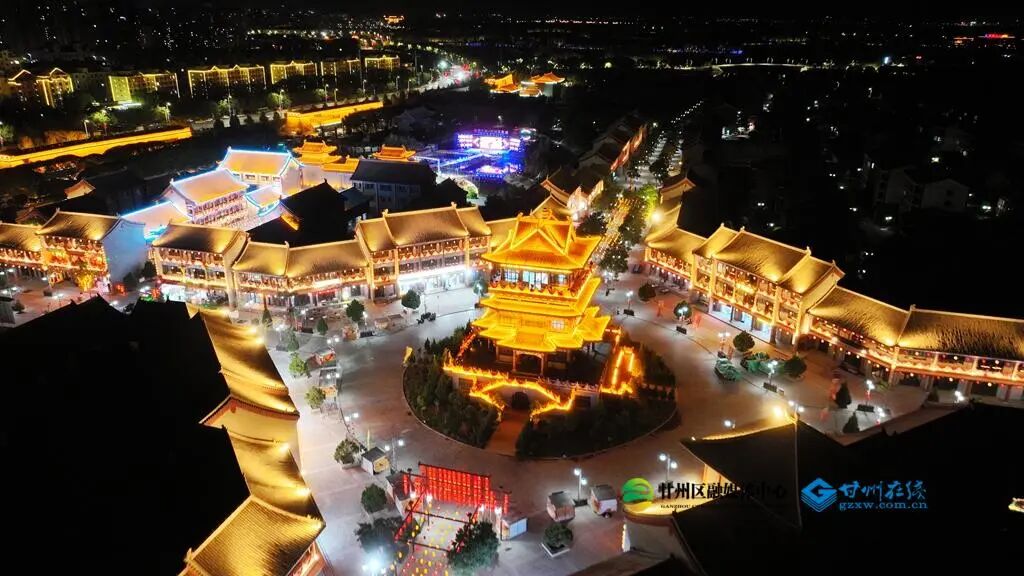
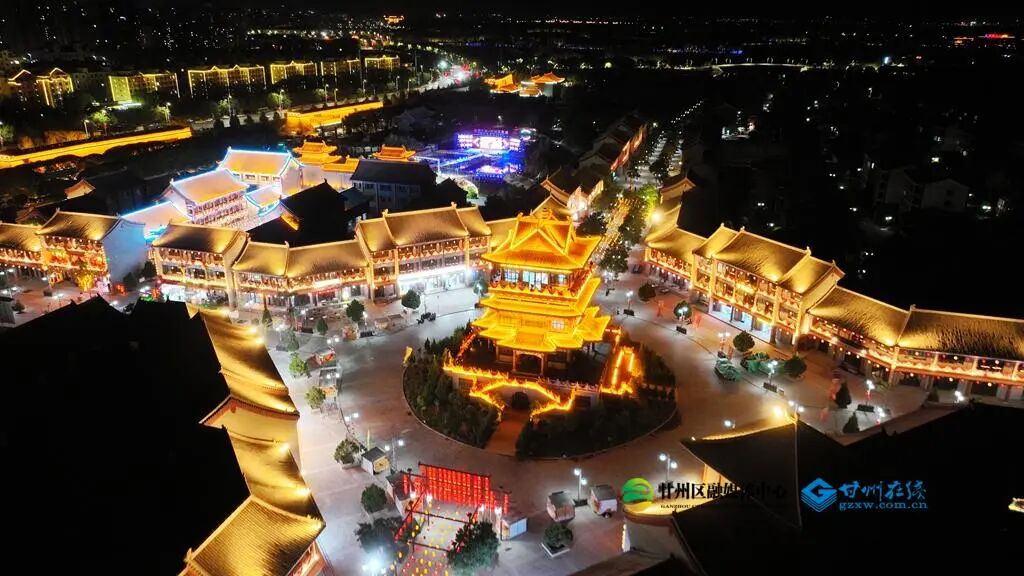
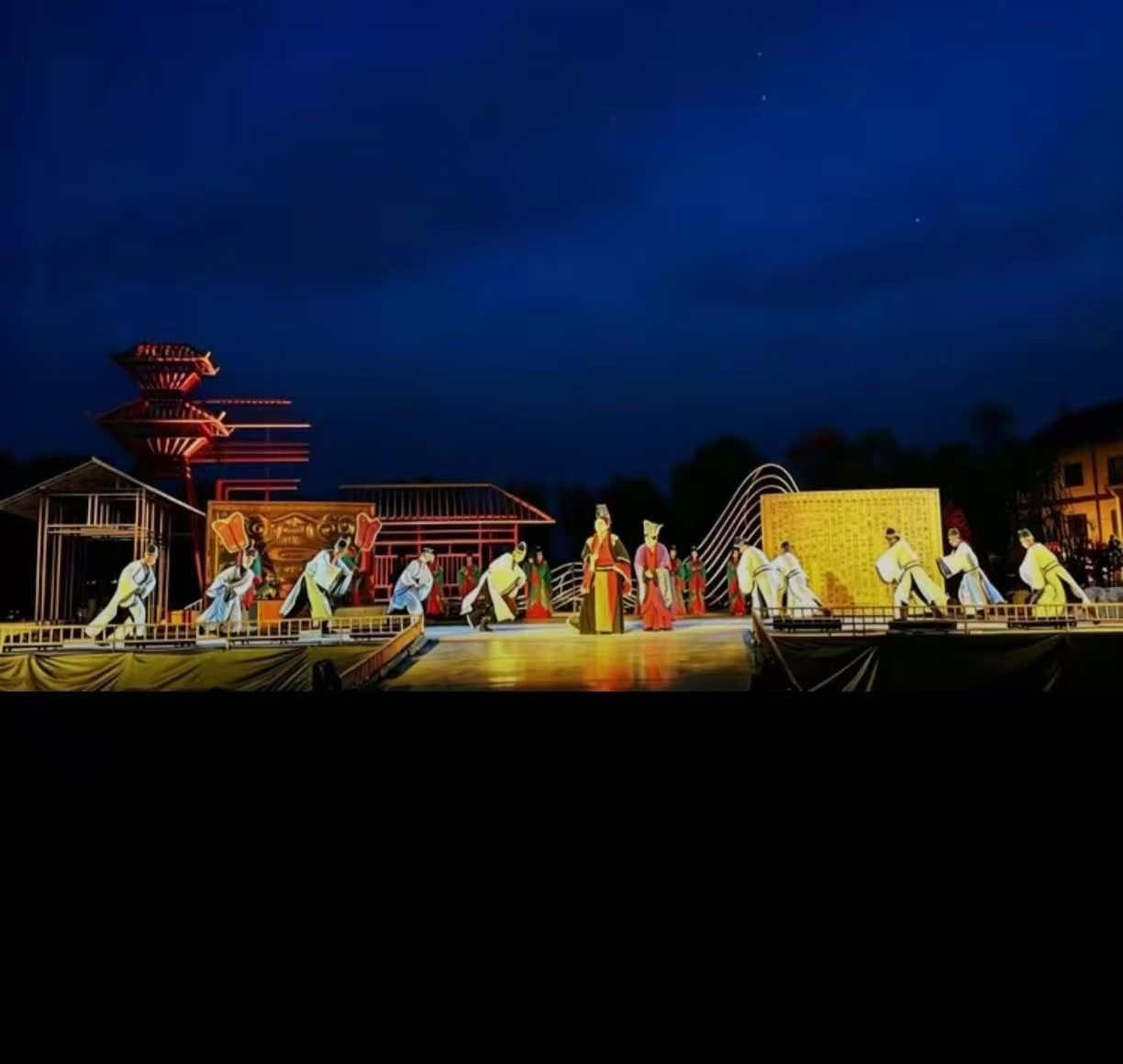
In one city, Ganzhou, lies half the history of the Silk Road. At the Silk Road Merchant Bazaar in Zhangye Ganzhou Prefecture City, Gansu, the large-scale live performance One Arm Reaches the Western Regions (also known as Chiseling the Heavens – Zhang Qian’s Mission to the Western Regions) takes place on a lakeside water stage. Centered on the historical narrative of Zhang Qian’s embassy to the Western Regions, the show brings to life the epic grandeur of “stretching out the arm of Zhangye to reach the Western Regions.” The sound of camel bells travels through millennia, while firelight shimmers across the ancient city’s lake, revealing the spirit of the Hexi Corridor under night sky and shadow.
The audio, lighting, and stage effects system for this project was crafted by Guangzhou Dengwang, a company with deep expertise across education, government and enterprise, hospitality, broadcasting, and cultural tourism. The entire lighting solution relies on a variety of professional outdoor stage fixtures, presenting in full the narrative layers of desert, expedition, and Silk Road trade. It also serves as a practical reference for similar waterside and heritage-site cultural tourism projects in China, offering guidance on fixture deployment, cost‑effective selection, and pitfall avoidance.
I. Fixture Application and On‑Site Lighting Effects in One Arm Reaches the Western Regions
The stage is built on the lake at the heart of Ganzhou Prefecture City, surrounded by water on three sides, with Han‑style ancient pavilions as the backdrop. The water surface reflects the lights, but at night the lake is prone to heavy moisture and large temperature swings, while the northwestern climate brings frequent sandstorms. The fixtures are therefore subjected to constant challenges from humidity, dust, condensation, and rain. All units selected are high‑protection‑grade professional Tourism and Culture fixtures, each type playing its part to build a complete narrative lighting system that delivers an immersive experience where every step reveals a new scene and every scene tells a chapter of history.
- Waterproof Балка Moving Heads – Evoking Epic Grandeur
Category: IP66 waterproof beam moving head
As the core equipment for shaping the show’s monumental atmosphere, high‑power waterproof beam moving heads project sharp shafts of light that mimic desert sunsets and Gobi winds. In climactic moments—such as Zhang Qian’s departure and the Han army’s advance—multiple beam heads move in unison, slicing through the night sky above the prefecture and outlining the vast, mighty territory of the Han dynasty.

Given the waterside outdoor setting, where fog and condensation form easily on the lake at night, standard indoor moving heads are prone to water ingress and short circuits. This project therefore employs IP66‑rated waterproof beam moving heads, which resist dust and water and can handle the full range of weather conditions—sandstorms, rain, snow, and temperature extremes—ensuring stable operation for nightly performances throughout the season.
- Waterproof Помыть Moving Heads – Laying Down Atmospheric Base Colors
Category: Outdoor waterproof LED wash moving head
Waterproof wash moving heads handle the overall scene‑rendering duties. They shift between color temperatures and hues: cool cyan and gray‑blue render the desolate loneliness of the Gobi desert; warm gold and amber tones restore the majestic grandeur of the Han imperial city; and in the Silk Road trading scenes, rich multicolor blends evoke the bustling vibrancy of the market towns.
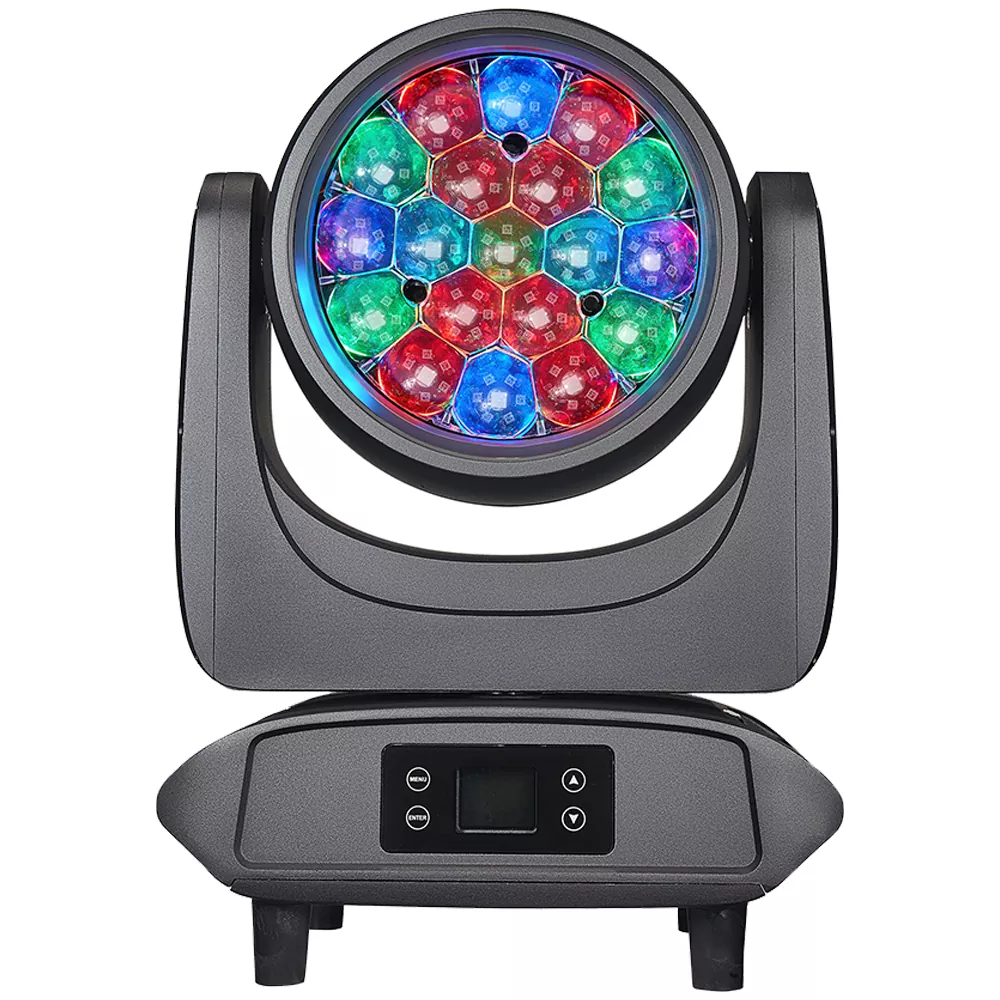
With built‑in zoom functionality, they can flexibly adjust beam size: wide‑angle washes flood the entire lake surface and ancient building facades, while narrow angles focus on the performance area, enabling rapid scene transitions that transport the audience to different historical moments two thousand years ago.
- Outdoor Waterproof Framing Moving Heads – Sculpting Character Emotion and Narrative Imagery
Category: Outdoor waterproof framing moving head
Framing fixtures are key to storytelling in a live show. They can project cut‑out patterns—such as Han‑era ceremonial staffs, banners, or city walls—onto the water or the walls of ancient buildings. In scenes where Zhang Qian treks alone across the Gobi, the framing light narrows to a tight focus on the actor, isolating him from the surroundings and amplifying his solitude and resilience. In the triumphant return of the Han army, banner shadows ripple across the water surface as the framing lights shift, heightening dramatic tension and deepening the immersive experience. - Outdoor Лазер Projectors – Expanding the Boundaries of Performance Space
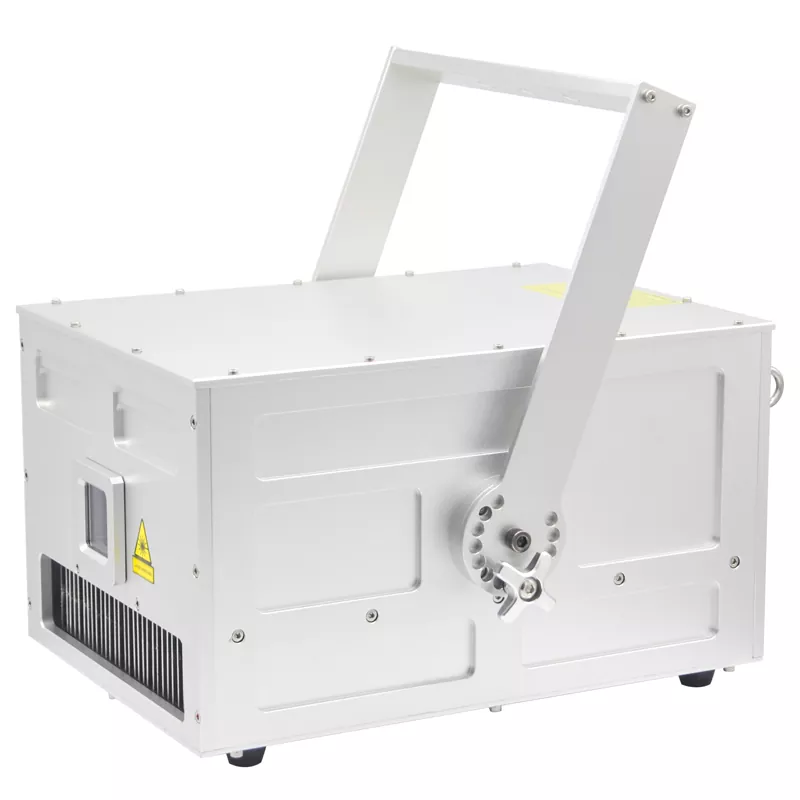
Category: Outdoor high‑power animation laser projector
Laser projectors are used to shape distant atmospheric effects. Their beams cut across the lake and night sky, tracing the light‑trails of camel caravans far away, breaking the physical stage boundaries and extending the performance into the entire sky above Ganzhou Prefecture City. At the same time, they project animated Silk Road merchant patterns onto ancient buildings and the water, amplifying the nighttime visual impact and making them a highlight for visitors exploring the prefecture after dark. - High‑CRI Waterproof Front Light & Special Effects Equipment – Ensuring Performer Presentation and Enhancing Atmosphere
Categories: Outdoor high‑CRI front light, water fog effect units
In waterside live shows, achieving accurate skin‑tone rendering on performers is a major challenge; standard fixtures often leave faces looking gray and distorted. High‑CRI outdoor front lights evenly illuminate the performance area, ensuring that the audience clearly sees the actors’ expressions and emotions.
Paired with water fog machines and haze generators, the mist disperses in the air, making the light beams visible and recreating the feel of desert sandstorms. The interplay of light, fog, real heritage architecture, and lake reflections builds a complete immersive performance environment.
- Lighting Control System
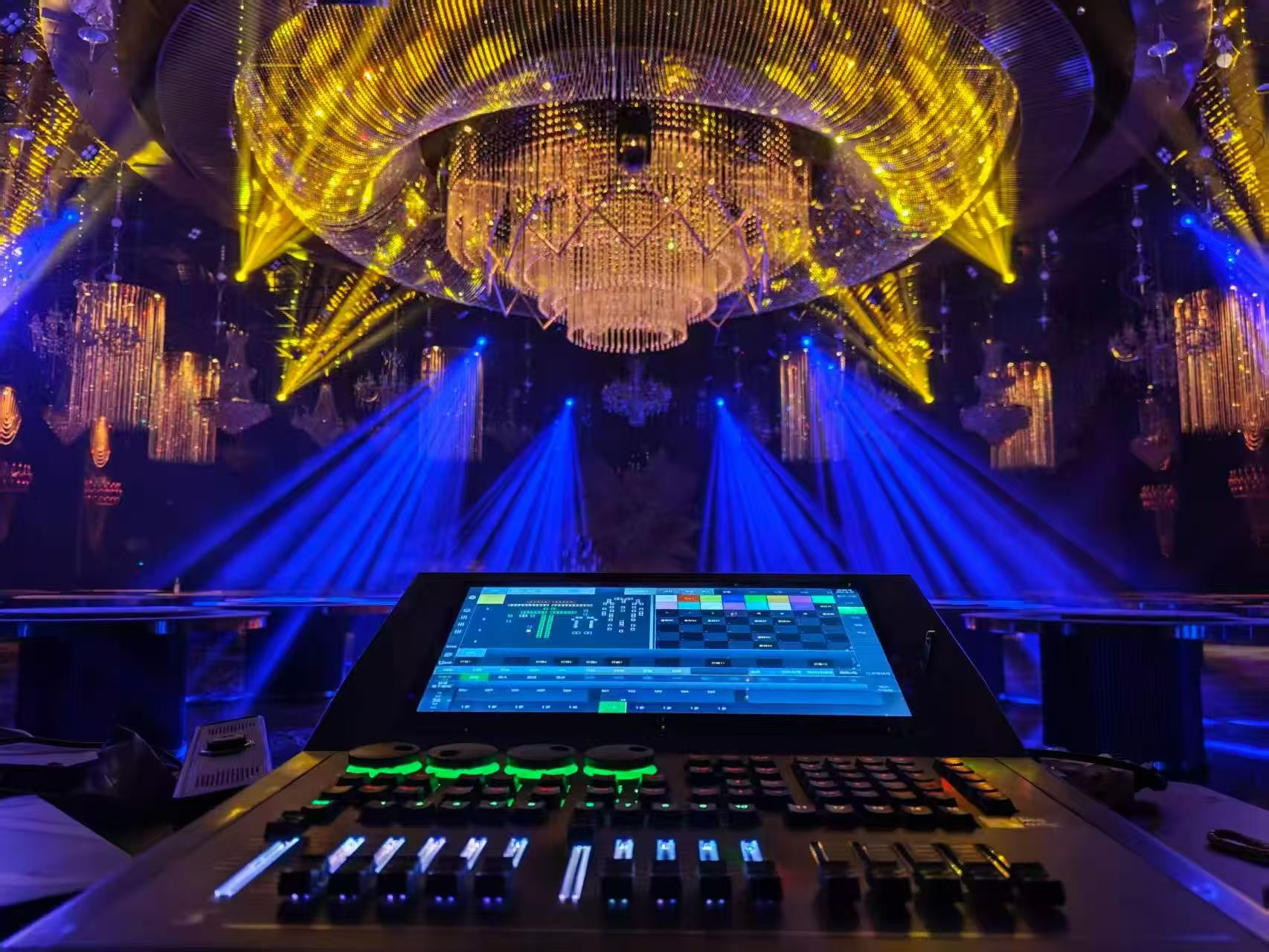
The entire lighting setup is coordinated through a professional lighting console with support for DMX512 and RDM remote management protocols. Stable signal transmission over long outdoor distances enables synchronized programming of hundreds of fixtures. Lighting scenes change automatically in time with the music and narrative, fully realizing the epic’s expressive lighting narrative.
II. How to Choose Cost‑Effective Fixtures for Similar Cultural Tourism Live Projects
Many scenic‑area live shows and night‑tour projects face limited budgets, yet require both visual impact and long‑term equipment reliability. Drawing from the Zhangye Ganzhou Prefecture experience, cost‑effectiveness does not simply mean the lowest unit price—it requires a holistic assessment of purchase cost, environmental suitability, and total maintenance costs over 3‑5 years.
- Protection Rating Is Non‑Negotiable for Outdoor Projects – Distinguish Indoor from Outdoor Tourism and Culture Fixtures
For waterside, dusty, or fully exposed outdoor projects, prioritize fixtures with IP65 or higher—ideally IP66 or IP67. Many projects cut costs by buying indoor‑rated units; they seem cheaper upfront, but moisture, rain, and dust quickly infiltrate, causing water damage, light decay, and board failures within months. Frequent repairs and replacements make the total long‑term cost far higher than the investment in proper waterproof fixtures. - Match Fixture Power to the Project Scale – Avoid Blindly Chasing Higher Wattage
For small‑ to medium‑sized lake and heritage‑site shows, 420‑480W waterproof 3‑in‑1 beam moving heads are ideal—they combine beam, pattern, and wash functions in one unit, reducing fixture count and saving on purchase, truss, and rigging costs. For large‑scale mountain or long‑throw projection setups, choose 600‑1500W high‑power waterproof framing or beam fixtures. Overspecifying with overly powerful lamps wastes budget and risks light pollution. - Prioritize 3‑in‑1 Multi‑Function Fixtures to Reduce Overall Project Investment
For budget‑sensitive Tourism and Culture projects, 3‑in‑1 waterproof moving heads (beam + pattern + wash) are the most cost‑effective choice. One fixture delivers three types of effects, eliminating the need to purchase separate beams, washes, and pattern projectors. This not only reduces the number of fixtures but also lowers truss, cabling, installation, and ongoing maintenance costs. - For Year‑Round Regular Performances, Prefer LED Sources
Most scenic‑area shows run year‑round. LED fixtures require no warm‑up, have longer lifetimes, and avoid frequent lamp replacements. For seasonal or one‑off events with only a few dozen shows per year, lamp‑based fixtures may be acceptable. - Prefer Fixtures with RDM Remote Management to Reduce Maintenance Labor
In Tourism and Culture projects, fixtures are often placed around lakes and on ancient structures, making on‑site inspection difficult. Choosing RDM‑enabled fixtures allows the lighting console to read temperature, fault codes, and modify parameters remotely, eliminating the need for technicians to climb to each fixture for manual adjustments—significantly reducing labor costs over time.
III. High‑Frequency Pitfalls in Cultural Tourism Lighting Projects and How to Avoid Them
Many Tourism and Culture lighting projects suffer from low initial quotes but fail to deliver on quality, with poor effects and frequent equipment failures. Below is a rundown of common pitfalls, drawn from industry experience, to help guide successful project execution:
Pitfall 1: Relying Only on Spec Sheets Without On‑Site Testing
Some manufacturers inflate specifications—claimed wattage, lumen output, and protection ratings may not match real‑world performance.
✅ Avoidance: Before signing, require the supplier to bring samples to the actual site for testing. Verify brightness, color‑mixing quality, and waterproof performance (e.g., rain spray tests) in person—don’t rely on printed brochures. For front light, always test skin‑tone rendering on‑site to avoid gray or distorted facial colors.
Pitfall 2: Buying Indoor Fixtures Cheaply and Using Them in Outdoor Waterside Environments
Some projects are tempted by low prices and place IP20 indoor units directly in exposed outdoor or lakeside settings. They may light up initially, but moisture, fog, rain, and sand quickly cause failures, leading to frequent repairs and even electric shock hazards.
✅ Avoidance: For exposed, waterside, or sandy environments, strictly require IP65 or higher. Clearly specify the protection rating in the contract and include warranty terms covering water‑related failures.
Pitfall 3: Comparing Only Bare‑Lamp Prices, Ignoring Hidden Costs for Accessories, Rigging, Programming, and Maintenance
Some suppliers quote only the bare fixture price, then add extra charges for trusses, cables, signal amplifiers, on‑site programming, and after‑sales service—resulting in severe budget overruns.
✅ Avoidance: Request a full itemized quotation that lists fixtures, accessories, rigging, commissioning, and maintenance separately. Clearly state warranty duration and on‑site response times in the contract; get all verbal promises in writing.
Pitfall 4: Incompatible Fixture‑Console Protocols Leading to Erratic or Out‑of‑Sync Light Behavior
Different brands may have variations in DMX protocols; without signal boosters over long outdoor distances, fixtures can behave erratically, lose signal, or fall out of sync during crucial moments.
✅ Avoidance: Confirm protocol compatibility early in the project. For long‑distance transmission, deploy DMX signal amplifiers; for large projects, consider fiber‑optic distribution. After installation, perform a full system integration test by simulating the complete show to verify overall stability.
Pitfall 5: Overemphasizing Hardware While Neglecting Lighting Programming Content
Even with high‑quality hardware, rough programming that fails to follow the narrative rhythm can make the lighting feel disconnected from the story, undermining emotional impact. The Zhangye Ganzhou project succeeded not only because of good hardware but because the programming was tightly aligned with the emotional arc of Zhang Qian’s journey—hardware and content are equally important.
✅ Avoidance: Allocate sufficient budget for programming and commissioning. The lighting designer should study the script in depth and create complete lighting scenes that match every plot turn.
Pitfall 6: Ignoring Daytime Visuals in Heritage‑Site Projects – Exposed Cables and Fixtures
In heritage‑site projects, randomly exposed cables and fixtures may look fine at night but ruin the scenic integrity during the day.
✅ Avoidance: Plan fixture positions and cable routes from the outset to balance nighttime effect with daytime aesthetics. Conceal cables and fixtures discreetly so that the installation is visually impressive at night yet unobtrusive during the day.
Conclusion
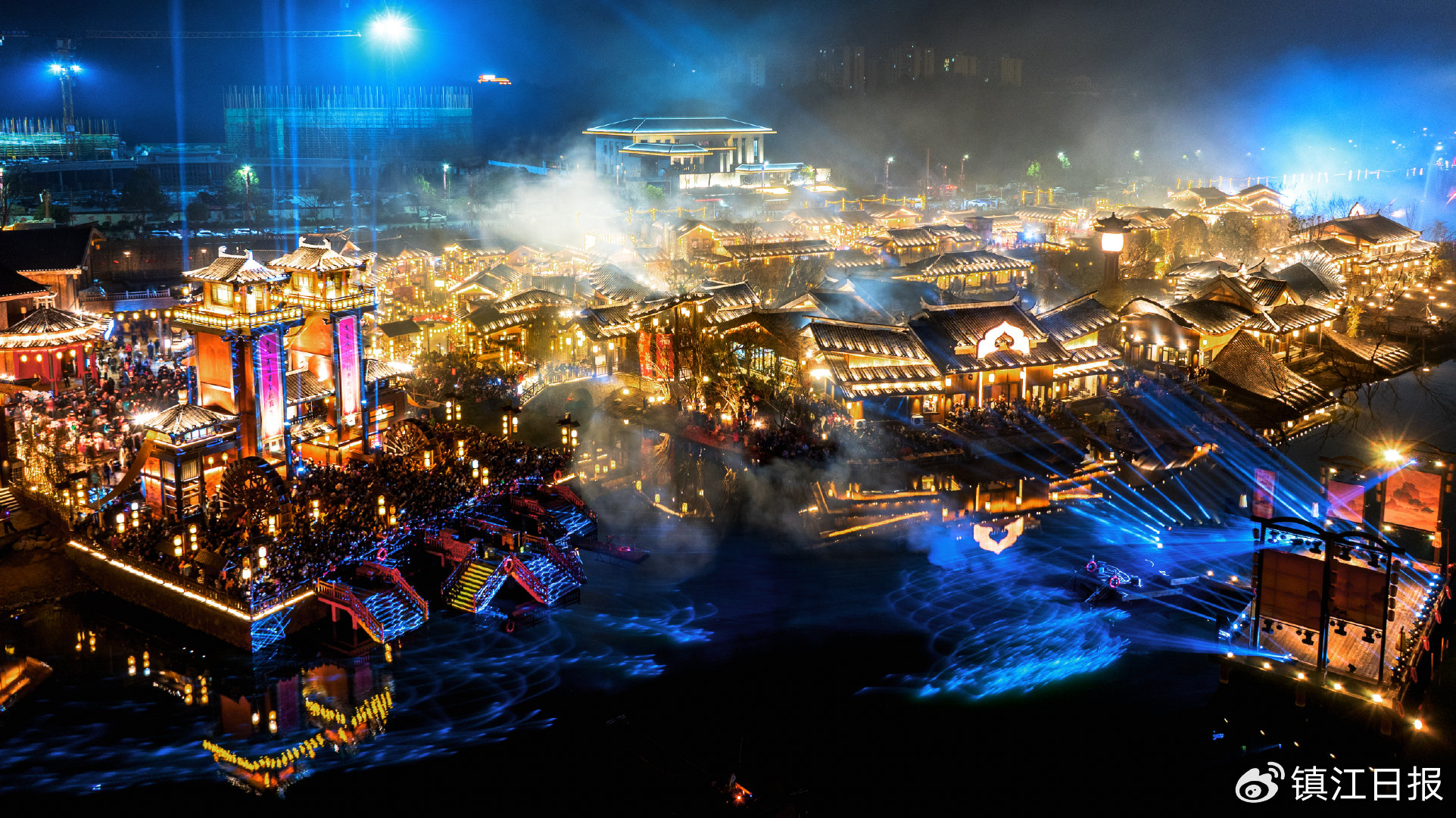
The Zhangye Ganzhou Prefecture City live show One Arm Reaches the Western Regions sets a commendable benchmark for domestic Tourism and Culture projects: lighting is not merely about illuminating the stage—it is a narrative language in its own right. Fixture selection should not be driven by unit price alone; rather, it must consider the environment, performance scale, and long‑term operational costs. Hardware, system integration, and programming are mutually reinforcing. By choosing environment‑adapted, cost‑effective fixtures and steering clear of hidden traps, you can deliver a stunning, durable, and sustainableTourism and Culture night‑tour lighting project—one that tells regional cultural stories through light and revitalizes the nighttime economy of scenic areas.